Fuji X-T1 Review: Why it's still a great camera
My review, and thoughts, on the Fuji XT-1 after owning one for 5 years and why I think it's still a great camera over 10 years after its release.

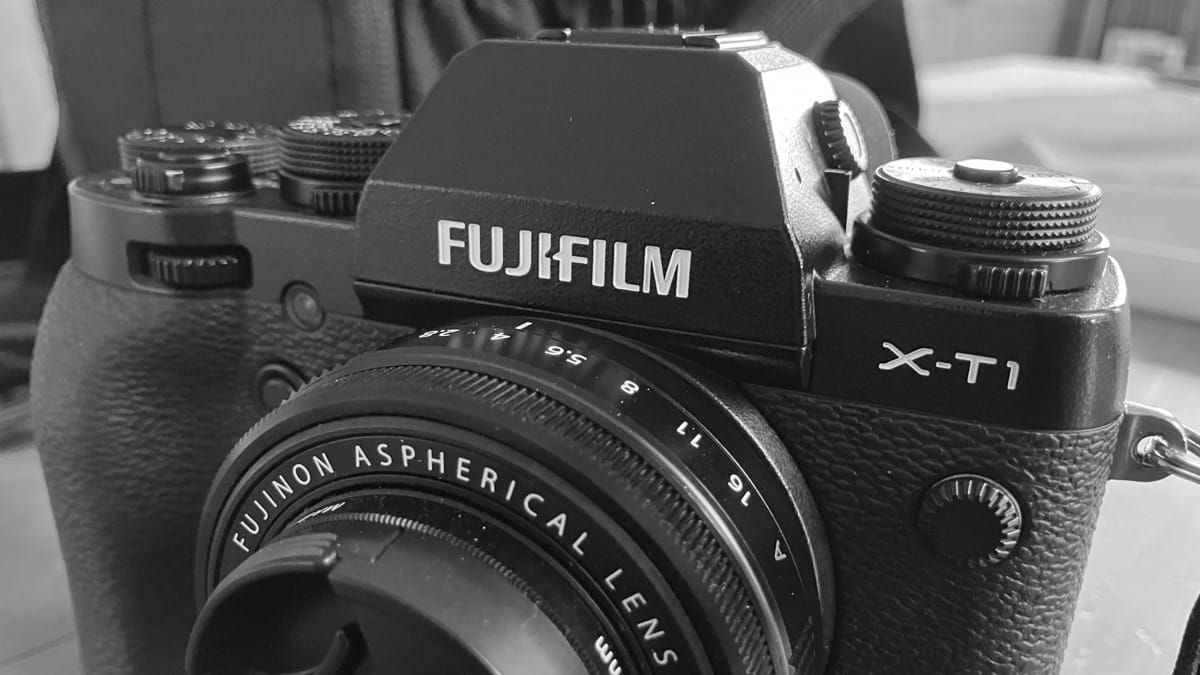
The Fuji X-T1 was released in early 2014, which makes this camera over ten years old now. That's a long time, even longer in tech years. You could assume the newer models all the way to the X-T5 are vastly superior, and side by side on a spec sheet that's true.
I bought mine in 2019 second hand with the 18-55m 'kit' lens. After that lens I've adapted my Nikon and Minolta lenses to the X-T1, and also bought the mark II version of the Fuji 27mm lens. I've been overall pretty impressed with the X-T1 and during the time I've owned it, these older Fuji cameras have picked up a bit of a cult following online. The X-Trans II sensor inside the X-T1, the X-E2, and the X-M1 seems to be one of the sensors that are sought after right now.
So why spend thousands on an X-T5 when you could spend hundreds on an X-T1? If you don't use video, shoot sports or wildlife, maybe the original X-T camera is the best Fuji camera for you.
Key Features of the Fuji X-T1:
- 16 megapixel x-trans II sensor
- Weather sealed body
- Retro design with physical dials for shutter and ISO
- Front and rear command dials too
Positives of the Fuji X-T1
The Fujifilm X-T1 camera provides very nice 16mp images, that is 4896px on the long edge, which provides a 16 inch print at 300dpi. This might sound low by modern standards but how many people are printing their images larger than that? I’m not sure but not many I think. If you're regularly printing much larger than that then you should be looking for a full frame camera anyway.
Part of the reason people say the earlier Fuji sensors have a more 'organic' look is just the larger pixels. The higher the resolution, the smaller the pixels. I don't know if I see it myself or not but I often see people praising cameras with sensors in the range of 12-20 megapixels. The Fuji X-T1 sits right in the sweet spot of that range.
For myself, I see many high resolution cameras that take very pleasing images but there is no doubt that 12-20 megapixel cameras are a sweet spot between great image quality and manageable file sizes. Anything under 25 megapixels is fine to work with. Over that I start thinking, why am I using up all this hard drive space on images I'm never going to print super large? The Fuji X-T1, at 16 megapixels, is right in the sweet spot.
When I was first looking for a digital camera I was drawn to the idea of great jpegs out of camera, the Fuji cameras offered this. I like that the higher end bodies are mostly made of metal (in comparison to other cameras), and I liked that you can adjust shutter and ISO just like a film camera with all the dials. My tastes may be changing on that one but when I bought the camera in 2019 I loved that. I don’t dislike it now that much either, it's just a changes in personal preference.
Fuji second hand camera price rises
There seems to have been a sharp rise in the price of secondhand Fuji cameras over the last year or so. Around 2022 I was thinking of selling my X-T1 and saw eBay prices of about $150-$180 USD for them, I thought at that price I will just keep using it. Last year I looked up the prices and it was $480-$600 USD. This seems all down to the trend following cameras like the X100 series.
Analog dials, and the rangefinder design seems to be hot right now in camera world, or online socials at least. The price rises, back order backlog, and hype on those Fuji cameras seems to have reached the SLR style XT cameras on the used market now too.
Why have Fuji cameras experienced price rises?
The simple answer is they are great cameras, which is true; although reality isn't that straight forward. All modern camera take great photos but not all modern cameras have great build quality and a retro SLR or rangefinder look.
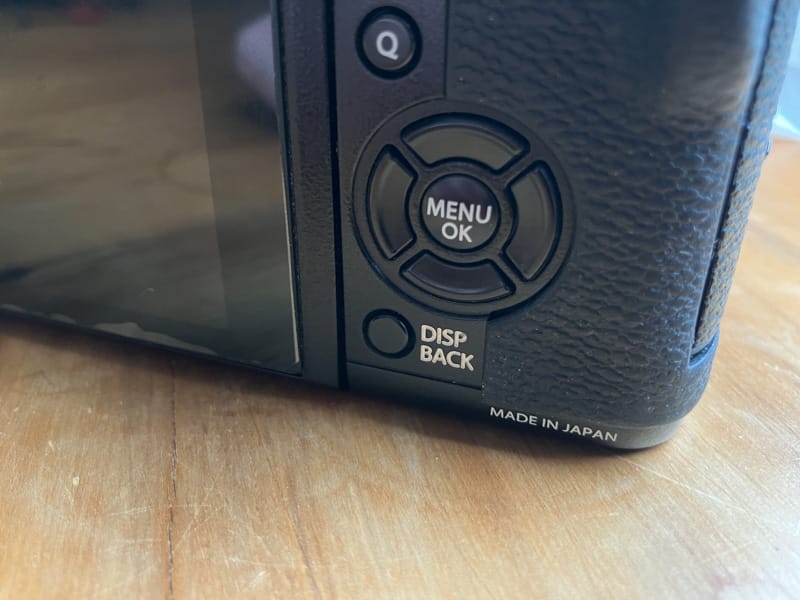
The X-T1, along with many higher end Fujifilm cameras, was made in Japan and has a mostly metal build. Who would have guessed that camera bodies built out of high quality materials, that take great pictures without the need for editing, and that look cool (debatable to some) would hold their value. Even becoming highly sought after by the next generation of photographers.
Older vs modern Fuji cameras
The big advances in camera technology in the last 10 years, or even 5 years, is in video. If I wanted to buy a mirrorless camera for stills and video I might look at something like the X-S20 or similar. Video was particularly bad on the X-T1 but even other cameras, of the time, were not that great compared to something in the last couple of years. Is the stills imaging better on the X-T5 than it is on the X-T1? I’m sure it is technically, it’s much higher resolution for sure, but I struggle to see a huge difference in still image quality. I’ll keep my X-T1 although the sky high second hand prices currently make me tempted to sell it sometimes.
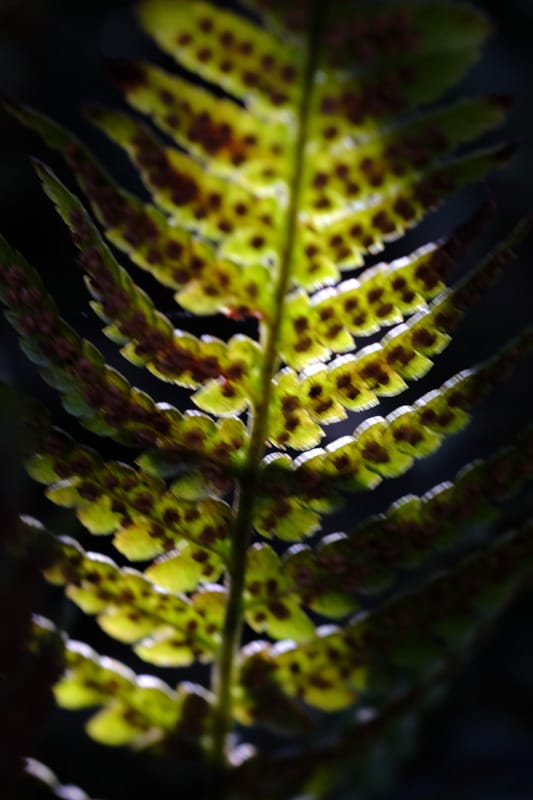
The X-T1 features the X-trans II sensor and there are a lot of claims all over the internet about the earlier Fuji sensors like this one, the X-trans I, and the X-trans III found in the XT2 and other cameras. The claims that the X-T1 is more filmic vs newer sensors.
In a side by side comparison I don't notice much difference to tell the truth. There are some specific lighting conditions where I think the XT-1 sensor behaves a bit differently. I don't know whether it's the older sensor tech, the 16 megapixel resolution, or something else. I don't think it's more or less filmic than any other digital camera but I think does have a certain look to it.

Downsides of the Fuji X-T1
As you can probably tell from this post so far, I've never found the technical limitations of the X-T1, compared to newer cameras, to be a problem. I have my X-T1 set up to back button focus, use either single shot focusing and recompose, or have used manual lenses such as the Minolta 28mm MD on it. For myself, the limitations on it are the firmware and one particular aspect of the build.
You don’t get all the Fuji film simulations that you get on modern cameras, even with the final firmware on the X-T1. Notably missing is the Acros film simulation. All you have is Monochrome, which despite the unimaginative name is actually a good black and white profile.
Since I’ve owned my XT1 I've gone from shooting in Monochrome and Hi Neg pro, to shooting mostly in Astia and Provia for color and err… still Monochrome for black and white.
The one downside of the build quality is the rubber/leatherette, it does come off. Mine is starting to peel around the grip. This is only minor, cosmetic, issue as the rubber is replaceable. This is something I'll have to do soon; for the moment I'll just tape it up with gaffer tape.
Will I keep my X-T1
I could sell my copy for almost twice as much as I paid for it. The thing is I have used it a lot more in the last 18 Months since I bought the 27mm pancake lens for it. It is now my weather sealed travel camera. With this combination I can, only just, fit it in my sling bag.
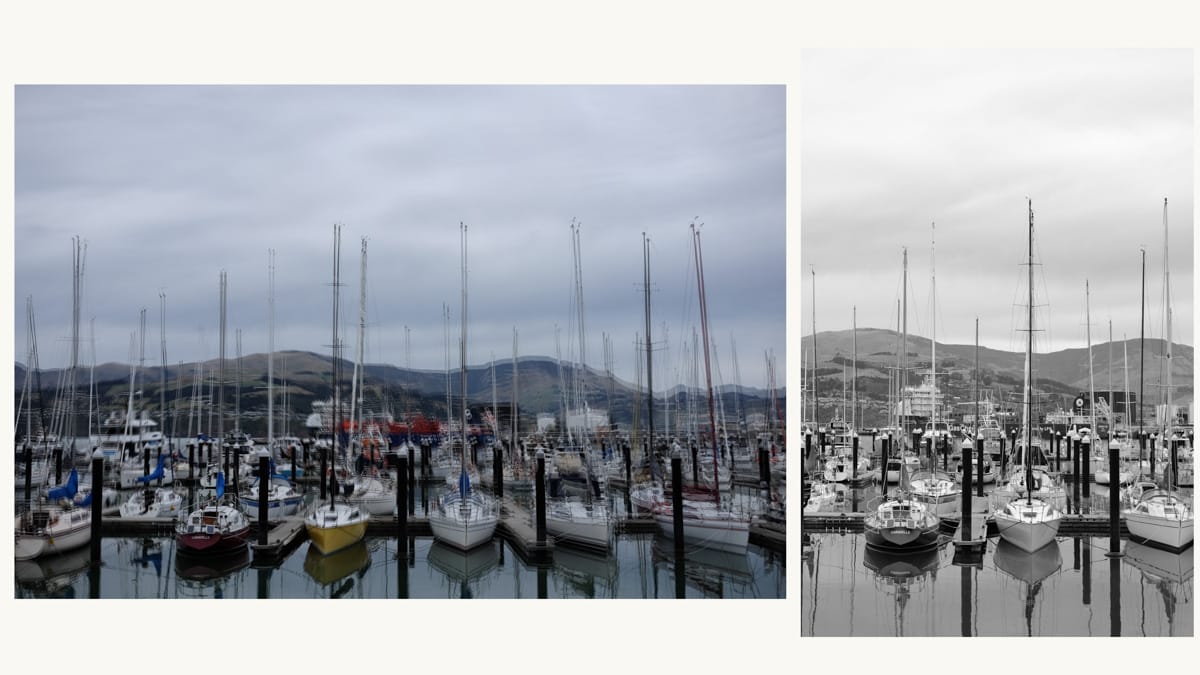
I think the jpegs the X-T1 produces are the perfect aesthetic for travel photography. While I don’t think X-T1 film simulations really look like film they do produce an image that doesn’t look overly ‘modern’ for want of a better word, nor does it look outdated if that makes sense.

Further thoughts on the X-T1 and 'older' digital cameras
There’s another concern I have and is one of the reasons I’m more reluctant than I used to be in selling my old cameras. AI technology. If the next generation of digital cameras overly uses AI processing to ‘help’ the sensor process an image that’s not something that is particularly appealing to me.
I’m not a Luddite, I can see some of the benefits of this technology, in other 'non-artistic' fields, but as far as photography goes I got into it because I want to create images. I don’t want AI interpreting what it thinks I want the image to look like. I want to make it myself. The technology is here and we'll have to see how it develops but this could be a reason to hold on to older cameras like the X-T1 or whatever camera of this era you have.
Pros and cons of the Fuji X-T1:
Pros
- Great camera for stills photography
- Excellent colors SOOC with Fujifilm simulations
- Autofocus is good for most use cases
- Nice build quality (made in Japan)
Cons
- Video limited to HD
- High moire when filming complex patterns
- Lacks Fuji's newer film simulations
- Lacks the high speed autofocus of modern cameras