Experiments with ICM Photography
My experience with intentional camera movement and a short guide on how to get started.

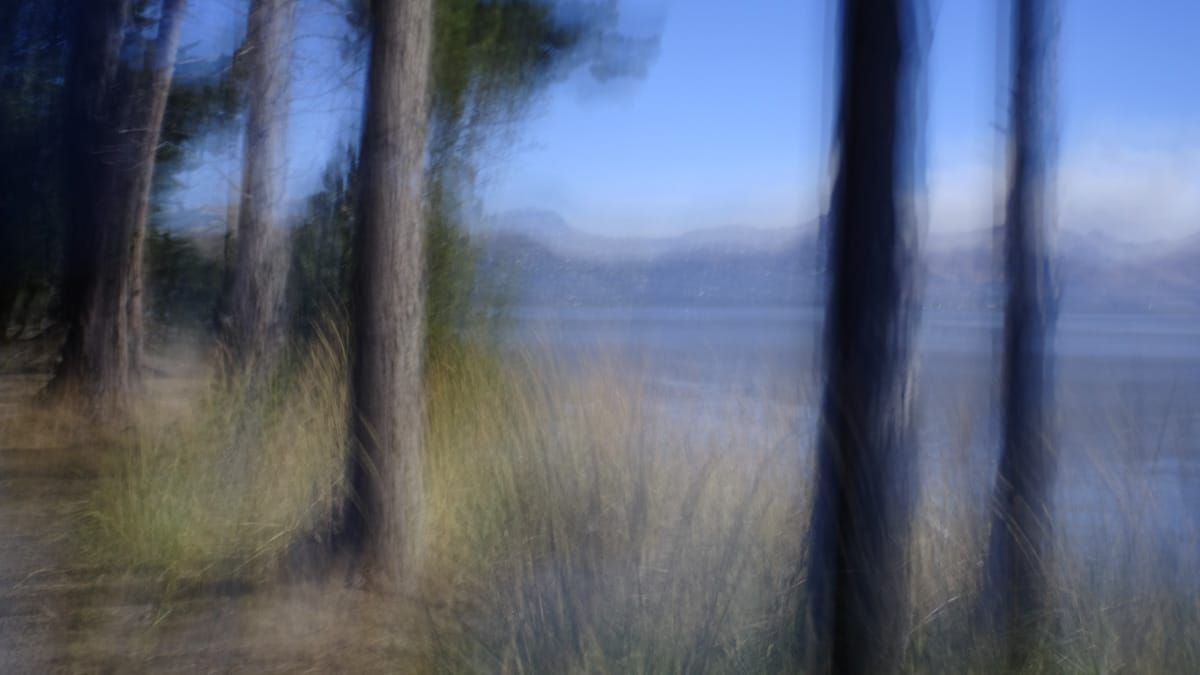
A few years ago I decided to start taking pictures using the intentional camera movement (ICM) technique. I'm not sure what I was trying to achieve other than have a bit of fun and to create some more artistic looking landscape images. While I started using this technique in the landscape genre I quickly found how good this technique could work in other styles of photography.
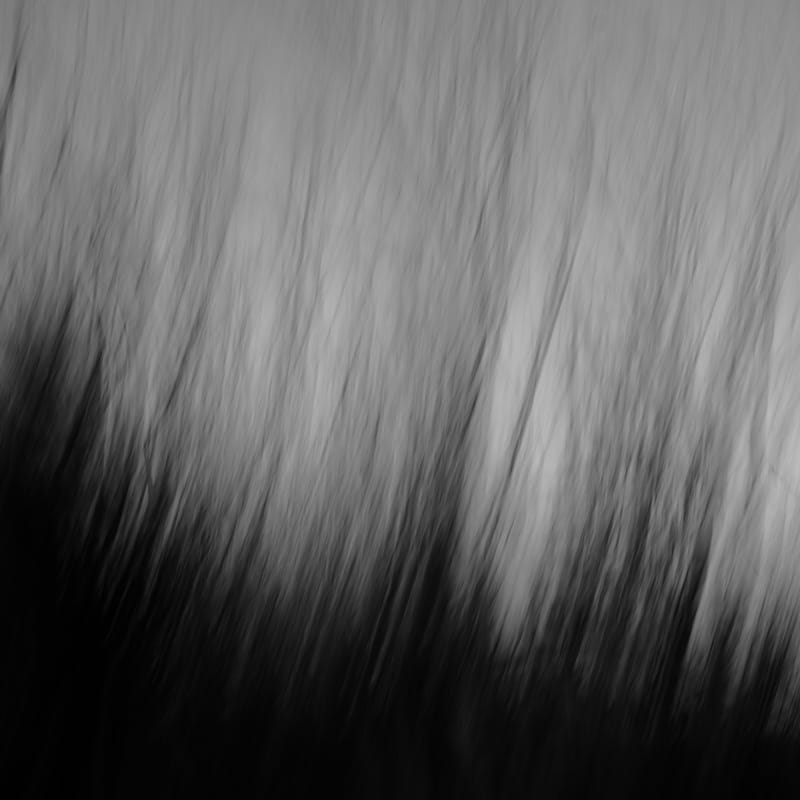
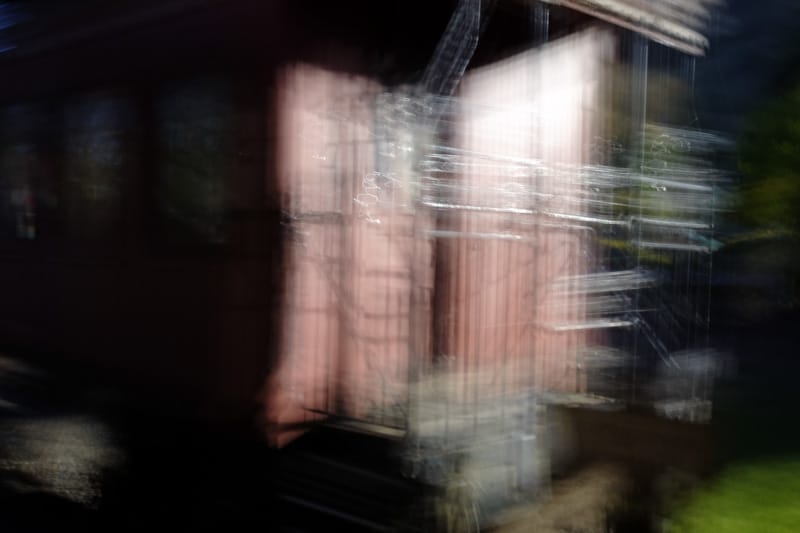
A quick primer on intentional camera movement, also known as ICM photography. It's a technique where images are created by setting a slow shutter speed and moving the camera while the picture is being exposed. I've most commonly seen it used to create abstract landscape images. However, it can also be used to create abstraction, motion blur, or the illusion of movement in any genre of photography.
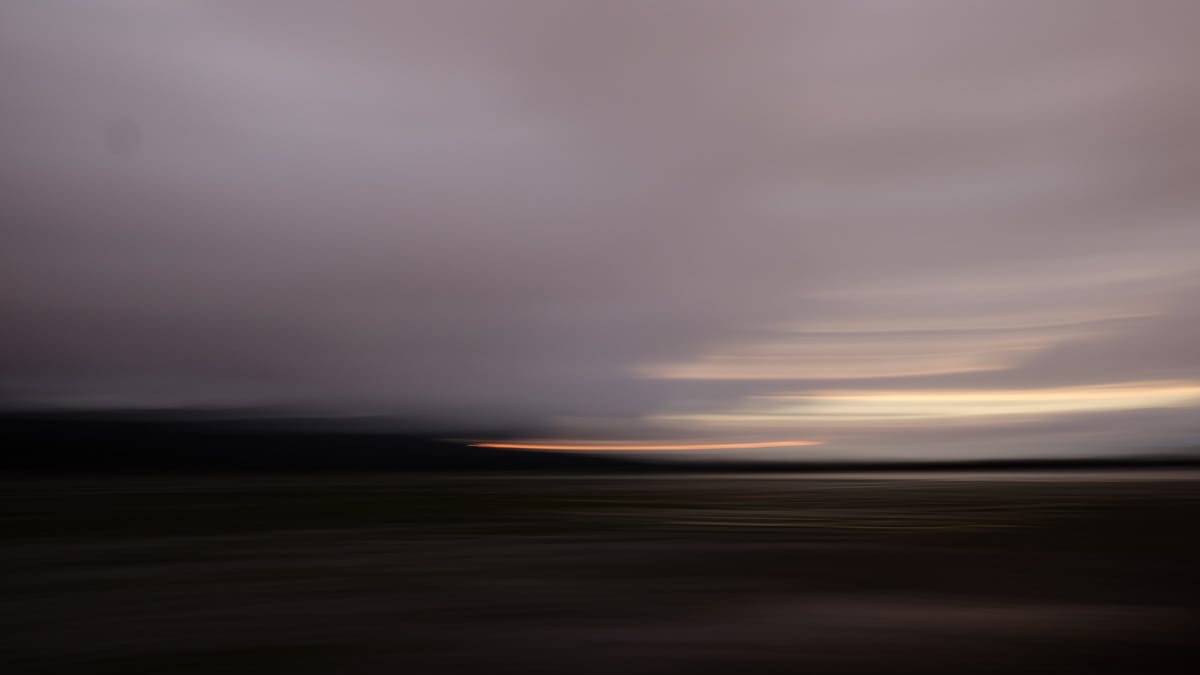
Landscape ICM photos seem to work better with a smaller aperture, f/8, or even a few stops narrower aperture in order to create a deep focus in the image. Shallow depth of field can lead to mushy images as far as I can tell. In other photographic genres, like still life and portrait, I am still experimenting with the settings I like to use.
An ND filter is an important piece of equipment in this style of photography. It's used to slow down your shutter speed. I have 6 stop and 10 stop solid ND filters, the 6-stop seems to be the right amount of filtration for most situations given that I usually aim for a 1.5 - 2.5 second exposure. I will add that I have done almost all my ICM photography without a tripod, so more than 2 seconds during exposure is less convenient. But if you're working with a tripod then longer exposures might suit you better.

The 1.5 - 2.5 second shutter speed is my most used shutter speed for taking handheld ICM images. Feel free to use this information as a general guide but the ideal settings may be different for different folks. However, if you're just starting out a 6 stop solid ND is a good filter to start with, then adjust to your taste from there. Any less filtration and I think you'd struggle to get a slow enough shutter speed, any denser filtration and it might be harder to keep the movement smooth for such a long time handheld.
I next bought a 10-stop Hoya filter than was supposedly higher quality glass than my 6-stop Benro filter. I purchased it because was a smaller size that would fit directly on a new lens with a 49mm filter thread. While there is nothing wrong with the filter, I think it is blocking too much light for handheld ICM photography in most situations. The results from the 6 stop are much more preferable to me.
I find that handheld ICM photography is easiest with a normal/wide, focal length. A longer lens would be more difficult to keep steady and a tripod or some way to steady the camera would be useful.
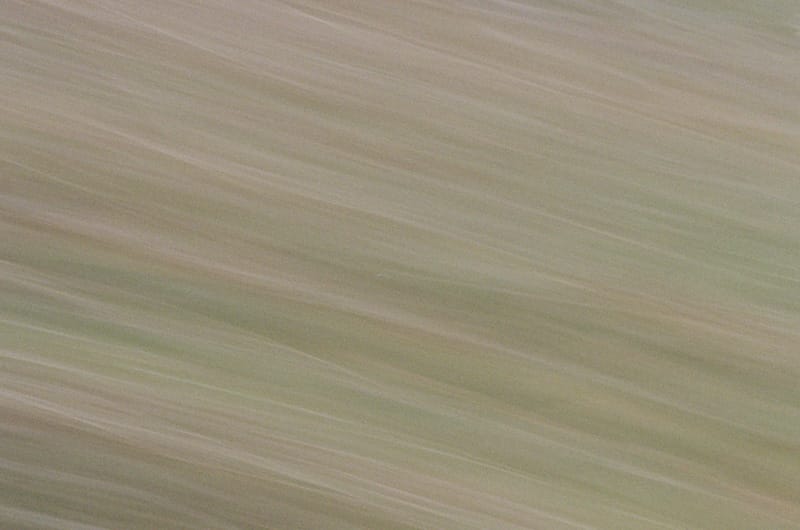
I don't see much online about intentional camera movement with film, but it is possible. The only difference is you don't get the immediate feedback of digital. It's probably best to practice first using a digital camera as it could get very expensive you don't realize a mistake you're making until you get your processed film back.
I have only done a little analog ICM photography but so far I quite like the results and wouldn't rule out using the technique more often with film. You just have to get to a stage where you're getting more keepers and be able to accept more 'happy accidents' in your work. If you are brave enough to give analog ICM a go then the results can be quite pleasing.
Will I continue to use ICM techniques in my photography. Yes, probably. But it will be different from the landscape images I previously created. I'll most likely use it as part of still life and portrait work. If the intention behind photography is to create the decisive moment then ICM is something a little different. In my case to make something more abstract or to convey motion. That could be motion in a landscape, on a busy street, or the motion of a dance.