Noritsu vs Frontier
The Noritsu HS-1800 vs Fuji Frontier SP-3000. A comparison of these scanners and getting the 'film look'.

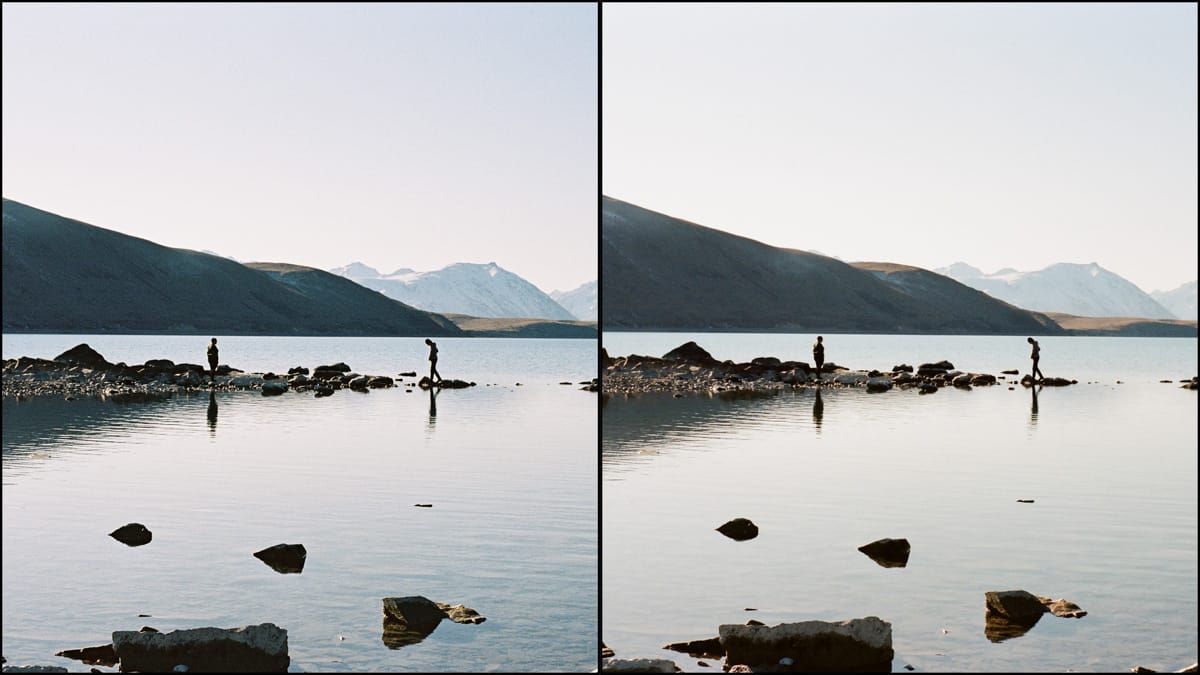
If you're sending your film to a professional lab to get developed & scanned the lab will be using either of these two machines to scan your film. If your reading this article chances are this isn't the first blog post you've read on this topic. There's also the chance you are planning to send film to a pro lab for the first time or you already have sent film to a lab but are wondering if you chose the right scanner? Hopefully I can add to your research. I've done the exact same thing, spending hours obsessing over what scanner to pick. The trick is to get your work scanned on both to see what you like but that can get expensive! Looking at other works scanned on both might give you an idea of what scanner to pick.
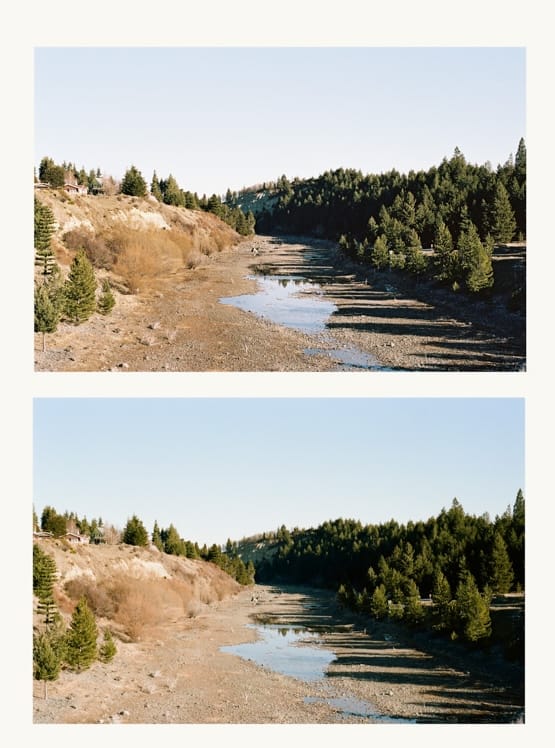
Noritsu and Frontier scanner differences:
Noritsu
- More 'neutral' look
- Warmer image tone
- Larger scans
Frontier
- More 'vivid' look
- Cooler tone
- Richer black point
The above is only a generalization, but a true one. I've seen the Noritsu output scans that are vivid and cooler toned although I've not seen the reverse out of the Frontier. I don't know whether it can't do it or I just haven't seen it perhaps? It could be something to talk to a lab about if you want to go down that path.
Strengths of Frontier
The frontier is the scanner I started out using because that's what my closest lab used. It was also the scanner a lot of influential photographers used when I first started with film.
The best way I can put it is the Frontier produces a more 'styled' scan. It has a stronger black point than the Noritsu and straight scans also tend to have more saturation, good skin tones, and better highlight protection. Smoother and less noticeable grain is also a feature, it can sometimes look like a 'fuzz' in certain parts of the image.
The Frontier had some sort of grain suppression, and early 'HDR like tech' capability called HyperTone, which was a Fuji software algorithm that preserves highlights in the scan. If you like to give your color film an extra stop exposure, just to make sure it's getting enough light, this can be a good capability for your scanner to have. It was almost impossible to blow out your highlights if your color negatives were being scanned on a Fuji Frontier.
Some film photographers love the look of the Frontier and some digital post processing programs try to emulate it. I can see why, it can produce beautiful images straight out of the scanner.
Strengths of Noritsu
The Noritsu scanner has its own interpretation of your negative, it's just more subtle. Whether its characteristics are a pro or a con is up to the photographer, the difference is why many pro labs offer both options.
This scanner has a reputation for producing flatter scans, with less contrast, than the Frontier. This can be sometimes true on a neutral scan but I think it is unfair overall. In my experience, the Noritsu is a more versatile scanner. It can output a wide range of 'looks'. The highlights can blow out, and grain, on high ISO black and white in particular, can be prominent if you want it to be.
The best way I can put it is the base scan on the Noritsu is a bit more neutral. Of course, you can ask your lab to scan it whatever way you like it. Cool, warm, more saturation. It can do all that. But straight scans, versus the frontier, will probably be more subdued.
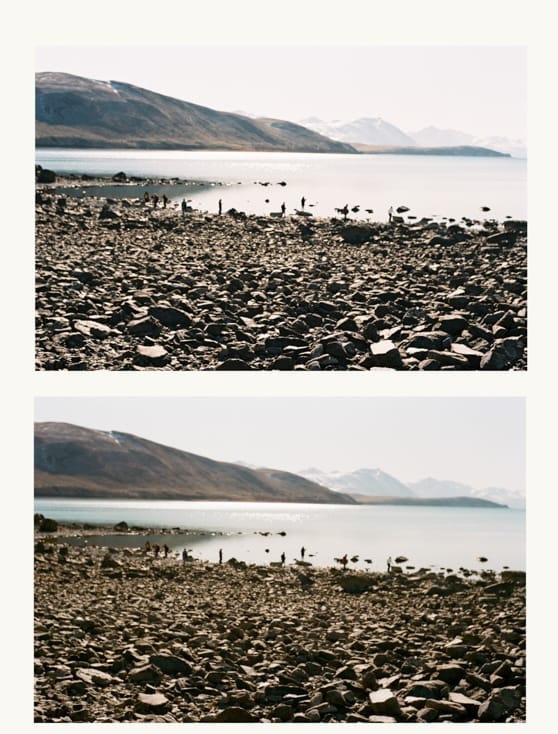
The biggest strength of the Noritsu is black and white scanning. The scans are clearer, have great contrast, and the grain is more defined. The scanner operator also has more control over the contrast than they would have trying to scan on the Frontier. These tend to be important factors in a good black and white scan.
The Noritsu scanner can output larger scans than the Frontier. Up to 6700px on the long end for 35mm. This gives the ability to print extremely large. For some people this is important, especially if you are going to be displaying work. Though I suspect for most people the print size difference between the two scanners wont be the deciding factor.
Film lab influence on your images?
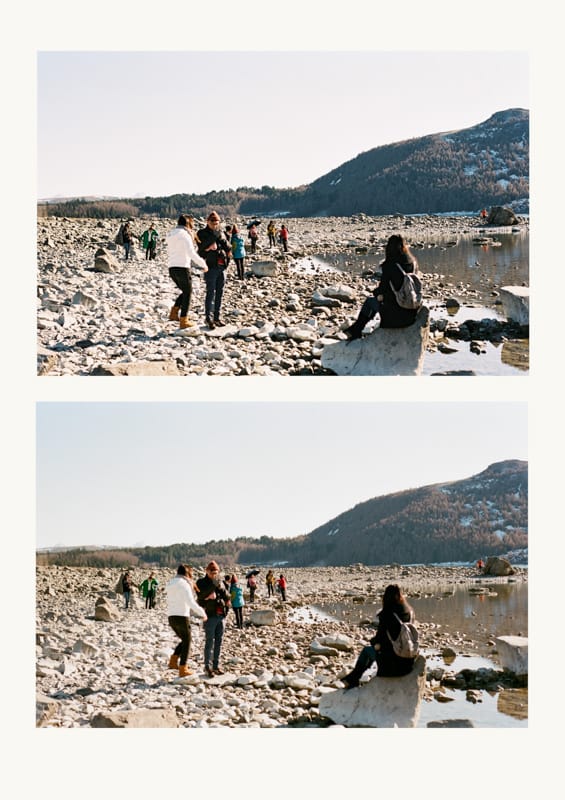
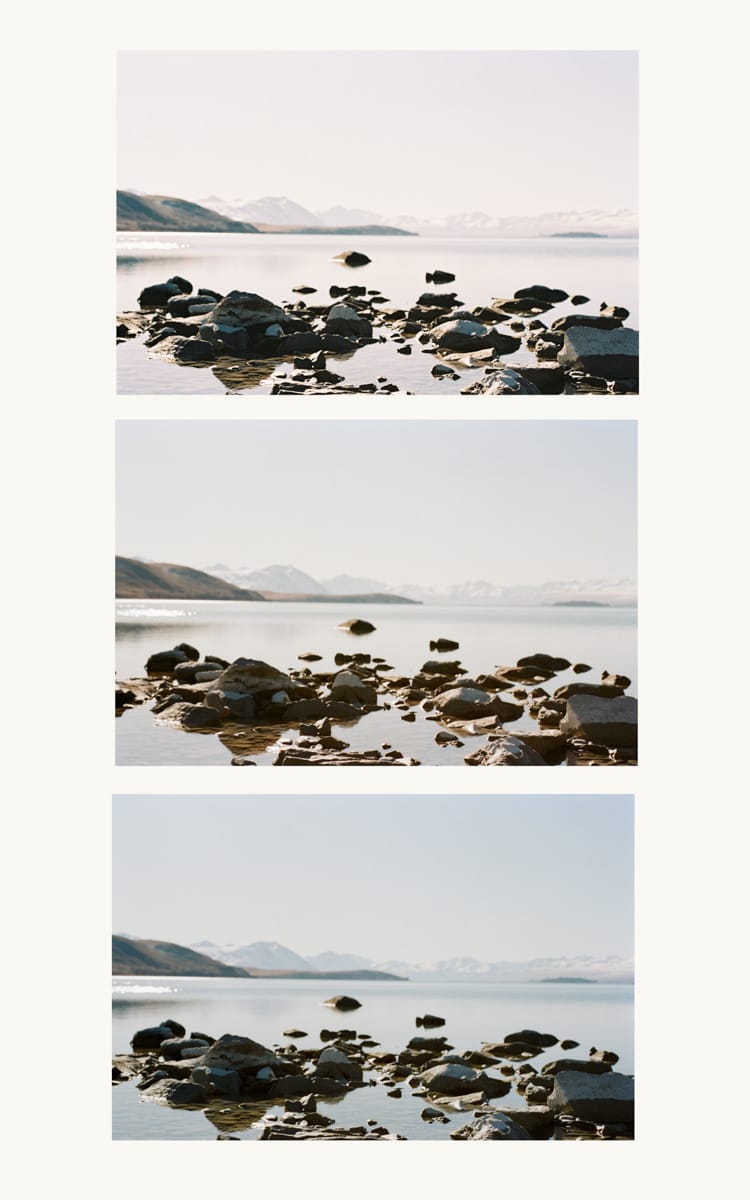
Does your final look come from the scanner or your lab. It comes more from your lab and how you ask them to scan your images. This will have more of an influence on the images than what scanner you use. As you can see from my example images, the differences in the scans is subtle. Although it is definitely there, so pick the scanner that suits what you are trying to achieve, just don't obsess over it too much. You can always change if you later decide the other one would be better.
My order of priorities:
- Exposing correctly with a light meter/artistic lighting
- Communication with the lab on how I'd like my negatives scanned.
- Picking the appropriate scanner for your work
So the look sort of comes from the scanner but an important point is that the difference between labs, how you communicate with your lab, and your exposure will be more important than the difference between scanners. I've gotten frames re-scanned by another lab on the same scanner (Noritsu) and the picture has a different tone to it.
Badly exposed film wont look good coming out of either scanner. Correct exposure will make it look good, along with good artistic direction. I can't help with the artistic direction but a light meter should be an essential piece of kit for film photography.
What is the film look?
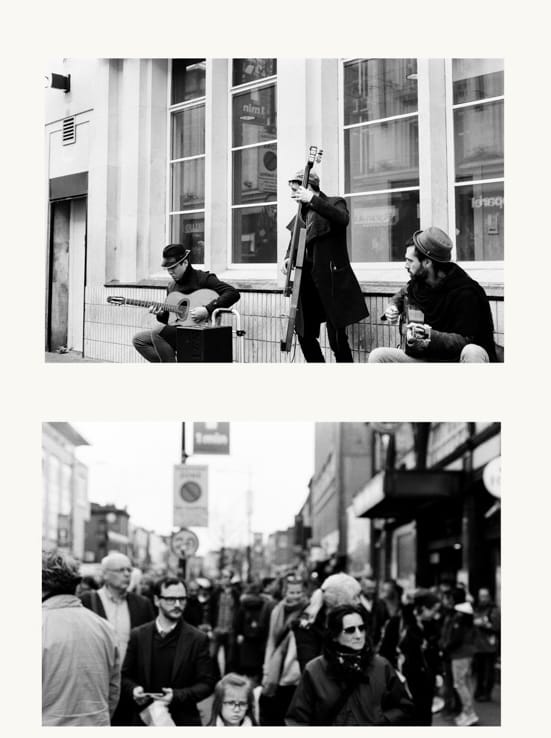
The film look is quite varied actually. Color film certainly has a base look. But the finished result looks quite different depending on how you light, the colors you photograph, and your equipment. Black and white is even more versatile. I know some photographers who shoot large format 100 ISO film because they want the highest quality image possible. There are also those that will push Kodak Tri-x to 1600 ISO in order to get a high grain look in their photos. The other factor is the developer which, from rodinal to xtol, can influence the end result a great deal.
Some say digital can replicate the film look! I've never seen it. To my eyes, nothing looks like film. I've used the Fuji mirrorless system for a number of years now, some say the 'films sims' look like film. It's a great camera system for sure and produces pleasing jpegs. I like Fuji cameras and lenses a lot but it still doesn't look like film to me. I've not seen a preset that looks like film either, and don't get me started on the muddy look that's trying to emulate badly underexposed film. This is not meant to hate on digital. Most of the photographers I admire work with digital, because most photographers are digital photographers in 2026. Both the film and digital mediums have different strengths. If you want to get the film look use film and have fun with it, if you're using digital play to that medium's strength.