Film vs Digital Photography
My thoughts on the film vs digital in photography and how I use both in my work.

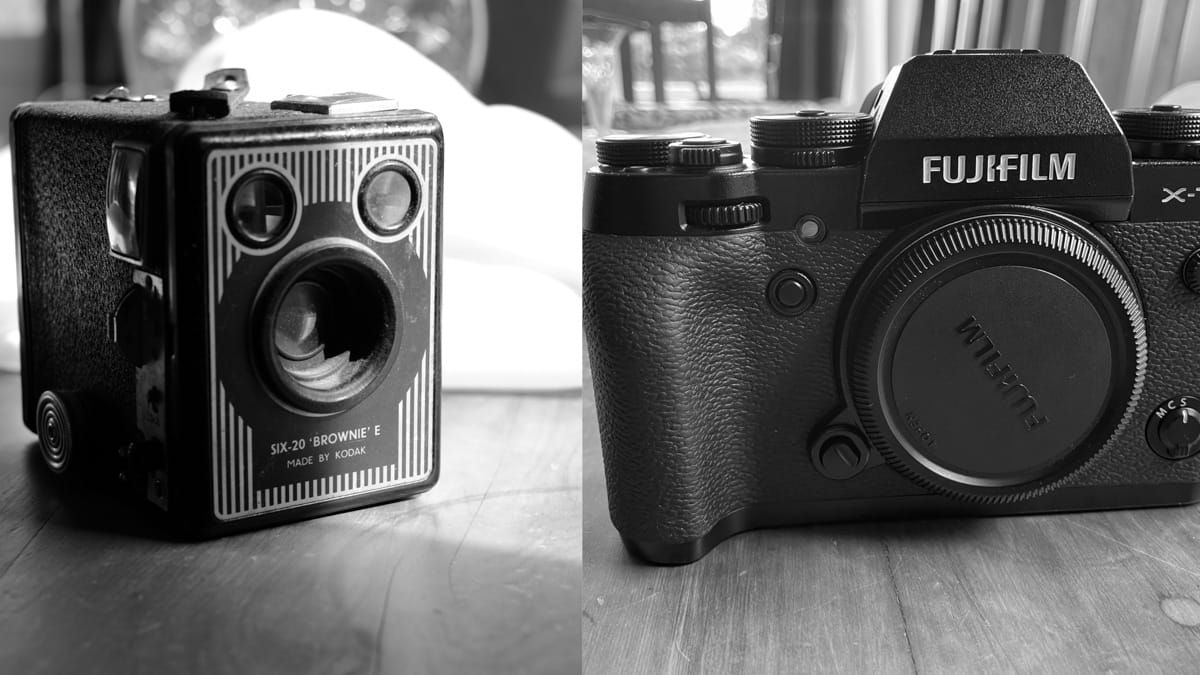
This is an old debate... but it's kind of a right of passage for someone getting into photography, or maybe I'm showing my age, gen alpha may not agree! I was too young, or too late getting into photography, to care about this debate when DSLRs first became relatively affordable to the masses.
But when I was getting back into filmmaking and photography in the early 2010s this debate was kicking up again big time. I remember getting my first film SLR, the Nikon F-301, and sending a few orders off to Indie Film Lab in the USA so I could try out this film thing. By the mid-2010s the analog renaissance was in fill swing.
Film stock prices and processing were not as high as they are today and the exchange rate to USD was nearly 1:1. Sending film abroad to be processed and scanned isn't a realistic option anymore. Thankfully there is a very good lab available locally to me.
None of this is to bag on digital. I had "upgraded" my compact camera to a digital in the late 2000s, a camera I used many times on holidays, road trips, and various adventures. But I could simply not afford the initial cost of a DSLR and lenses in 2013. A $200 film camera & lens with a few $10 film rolls got me a professional level setup and 'get to work' straight away.
Why does the film v digital debate exist
- Ongoing cost of film vs initial cost of digital
- Love of the traditional analog process vs a preference for malleable RAW files
- Delayed vs immediate feedback
- The 'film look' vs cleaner digital files
Photographers can get very passionate about these debates. You don't just see it with film v digital either. Canon v Nikon used to be a big deal, maybe it still is in some circles. It can get very dogmatic.
My advice, don't worry about someone who thinks a particular camera, film stock, sensor, or even file format is the be all and end all. There will be photographic artists who know they want the 'analog look'; there will also be photographic artists who know they need a flexible RAW file for their work and want the end result that digital gives them. For everyone else use whatever you have, can afford, or think is most enjoyable.
Why use both film and digital?
I don't know anyone who exclusively uses film anymore. So why do photographers who use digital most of the time still use film at all? My own answer is it's just fun to use something different when you can. If I'm able to use film for personal project, if it works for the type of images I'm trying to create, then I probably will use.
Different photographers love different aspects of analog photography. It could be the end result of a high ISO black and white film, they may find the process of using simpler cameras more pleasing, or the color baked into a particular film stock.
Others love digital for the ability to shoot in RAW and manipulate their image in with greater flexibility in post. The ability to precisely set the white balance you want in post and adjust all number of elements is a great option to have. If you are the person scanning your own negatives then you can have quite a lot of controls when you are shooting film also, but not quite to the same level, and a good amount of people will send their film to a lab to process and scan these days.
There are some people who love this level of control in post and others that hate sitting in front of a computer screen. Your love of your computer desk/screen will probably determine which camp you fall into.
What I use and why
I use both digital and film. while I still love the film look the increase in prices since the mid 2010s means I can’t/won't shoot as much of it anymore. There have also been great improvements in digital cameras since this time. Think of the Fuji system which provides great image quality and somewhat replicates the experience of using a film camera with all the dials and knobs.
The results from digital cameras has come on quite a bit since the early 2010s. That was I time when affordable mid-range DSLRs where very good but could not quite produce the aesthetic that people who liked the photography styles of earlier periods wanted.
The Fuji system was probably a turning point for me. It was a camera system that explicitly aimed to replicate the film shooting experience, and even the results with its film simulations baked in to the jpegs. I wouldn't say the Fuji film simulations really match their analog counterparts but I do think they are great color profiles and they also mean you don't have to sit at a computer editing for hours on end.
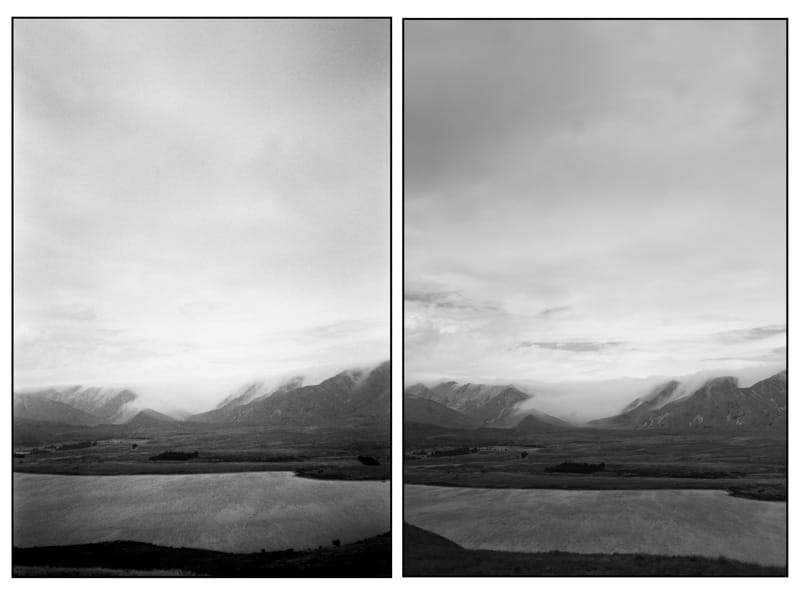
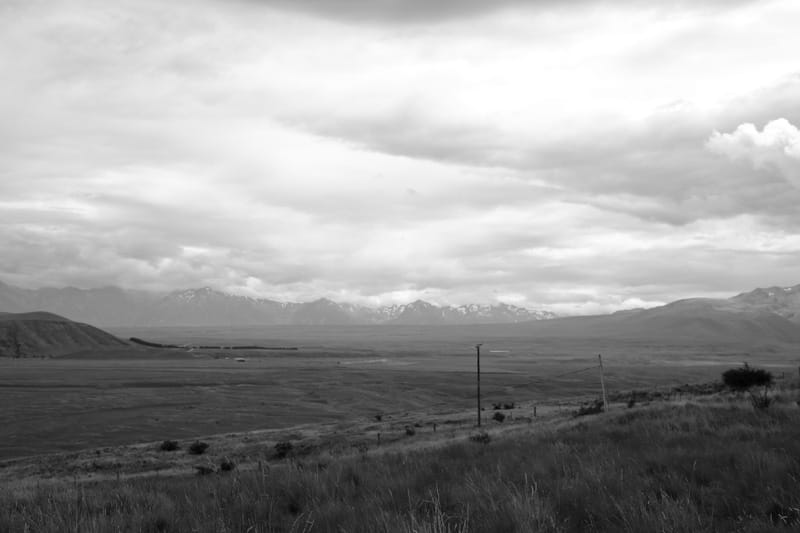
I recently took both a digital and film camera on a hike in the central South Island in New Zealand. I loved the digital jpegs out of my Fuji camera, a few weeks later I processed the film and I remembered why I still shoot it occasionally. I still love the look of black and white film, despite the cost and inconvenience.
The cost of film
The biggest thing to justify in the film vs digital debate is the cost. In 2015 when it cost $30-35 for a pro pack of Portra 160 I used it a lot more. Black and white film is what I mainly shot and can be found online at some places for a decent price sometimes. In NZ the Kodak prices are insane. I used to shoot a lot of Portraits on 160 and Tri-x. I’ve now switched to Ilford fp4 primarily and XP2 when I want the convenience of using a local lab to process my film. I hadn’t used these films much before being forced to due to price but really like the results I’ve gotten from both of them and will stick with fp4, hp5, and xp2 for my black and white film photography.
Are the results different?
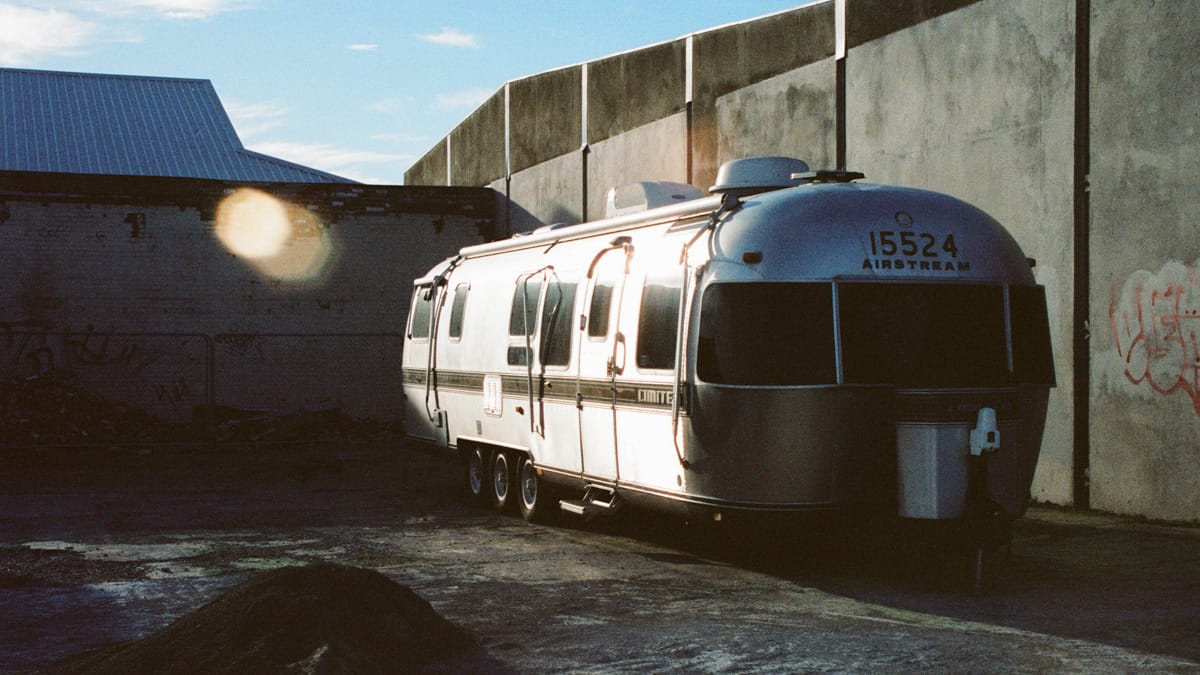
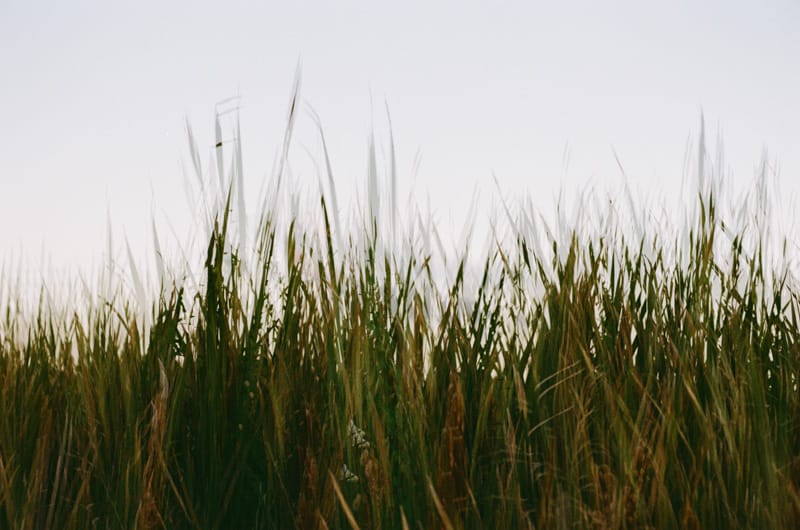
Are the results really that different? Sometimes yes, sometimes no is my answer. I recently tested out my Nikon F3 after I fixed an issue with it. These shots are made with Kodak Gold and I don’t think a digital camera can replicate the colors in these shots, at least I haven’t seen a digital camera produce these colors. Maybe one does but I just haven't seen it.
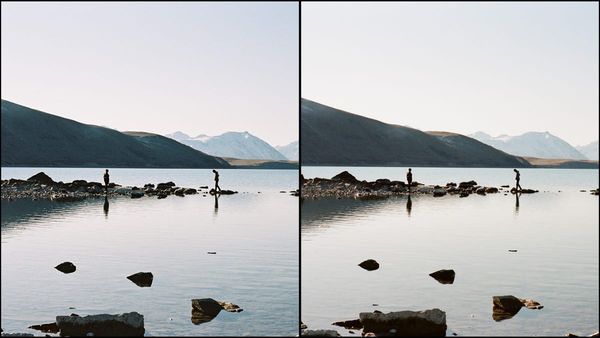
On the other hand, I took pictures from the top of Mt John with my Fuji XT1 and my Minolta Riva 100AF with Ilford fp4. If this was taken on a higher end film camera with more manual control it might be more obvious which is the film image but still, I find it interesting how well these images fit together. See side by side images earlier in this post, Left is film, right is digital.
My final thoughts on film v digital
My final thoughts? It’s fun to use either, or both. Do you prefer to manipulate your image in camera, or do you prefer to manipulate your images in post. With film you can do a lot more in camera by under or overexposing the frame for a certain look. Pushing your black and white film (Underexposing & overdeveloping) to increase grain and contrast in camera. With digital you can shoot RAW and have a lot of freedom in post to process your image the way you like it. It’s up to you.
Film or Digital photography comparison:
Film
- User experience is simple & distraction free
- Learning curve
- Professional color is baked into the pictures
- Film stock is becoming very expensive
Digital
- More features & convenience
- More flexibility in post with RAW files
- Upfront cost of digital can be more