Fuji 27mm f/2.8 WR lens review
My review of the Fuji xf27mm f/2.8 WR lens after 2 years of use.
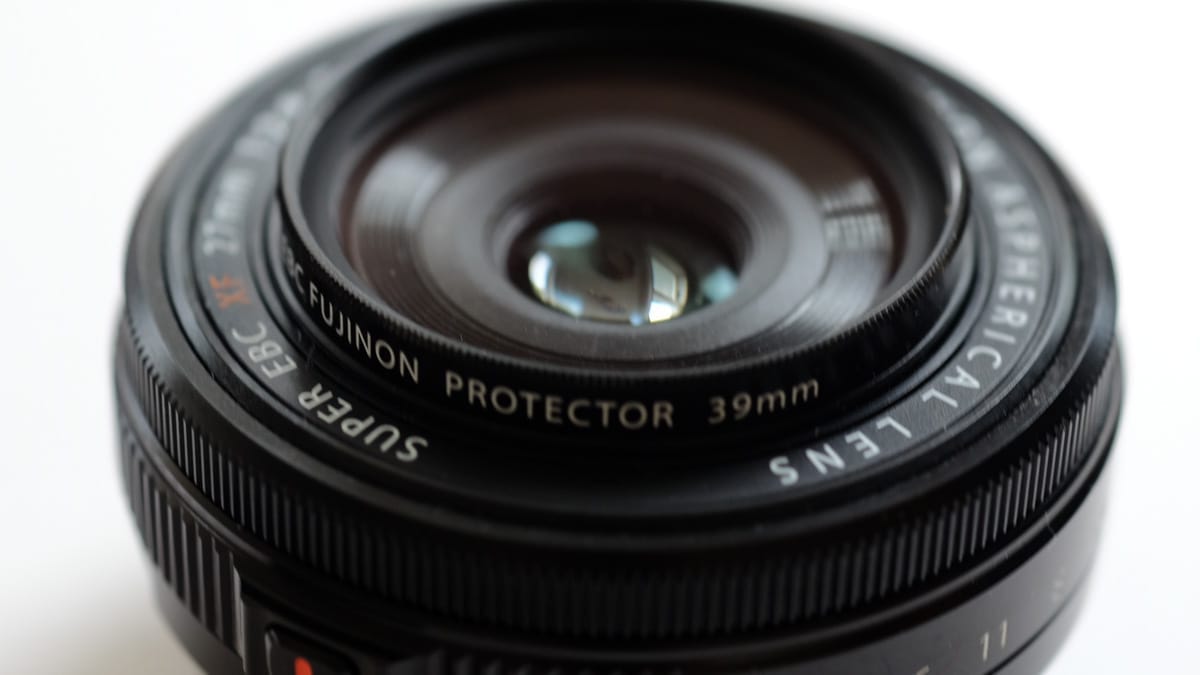
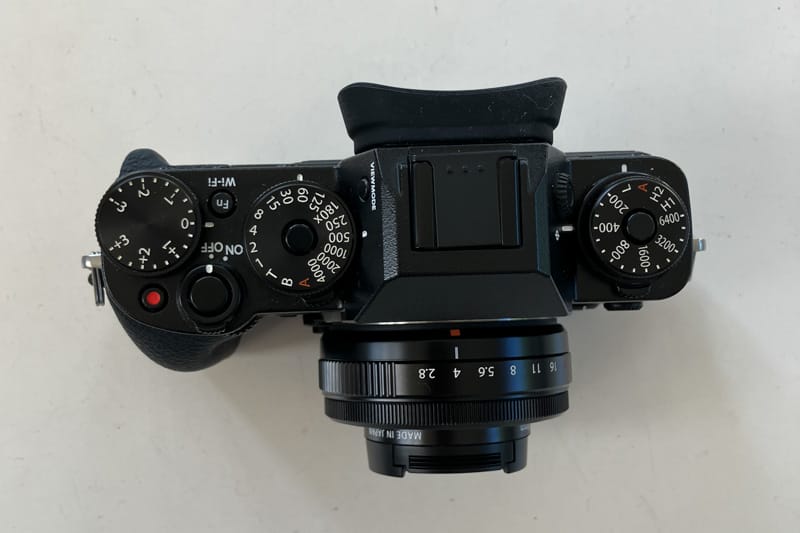
The Fuji XF 27mm f/2.8 WR lens is a small pancake lens designed for the Fuji system. It has a maximum aperture of f/2.8, a full frame equivalent focal length of approximately 40mm, and is weather resistant unlike the mark one version of this lens. It also, despite being a pancake lens, features a physical aperture ring.
I bought the Fuji 27mm lens almost two years ago with the goal to make my camera system smaller and easier to carry around. Of course, focal length and image quality were also a consideration for me.
The lens is indeed small and lightweight. I have used my old X-T1 camera a lot more than I did before I bought this lens because of this. It’s a much easier kit to pack and carry around than I had before, which consisted of some adapted lenses and the Fuji 18-55mm zoom lens. The pictures these lenses took were great but I hardly ever used the camera due to the size and camera bag required to carry the gear around. It had to be an occasion to take my camera somewhere. Together, my XT1 and 27mm lens now fit in a reasonably small camera bag which is a big plus.
The 40mm equivalent focal length was draw card for me when I bought this lens. Nowadays I’m starting to lean a bit wider in the lenses I use, 35mm and 28mm are focal lengths I’m using more and more. I still like the 40mm focal length for certain things and this lens is great for those occasions. The image quality is quite good, especially for a pancake lens. I think 40mm is a great focal length for certain types of portraiture, fashion, and street photography when you want a natural field of view.
I've found it performs really well for focusing on closer objects and just ok for landscape use. This would make it a really great option for someone who is traveling and taking pictures of things, scenes, and events.
The way I use the Fuji system is by taking in-camera jpegs. I only shoot RAW if there is some special reason to. I like to dial in the look I like in camera on the Fuji’s. I’ve usually been pretty happy with the black and white images I’ve got out of the camera but it took me a while to get happy with the color images. I went from using classic chrome, to hi neg pro, to Astia, and am now using the Provia film simulation for color most of the time.

The lens feels well built, like it is made out of quality materials. The aperture ring feels great to turn, and auto-focus in accurate and fast enough. I should say I am using back button focus in single shot mode. If you’re using the camera with continuous auto-focus or doing sports photography then your experience may vary. I’m also sure if you’re using a more modern camera than the X-T1 then auto-focus will be better than my experience.
I'm happy with the image quality from this lens. I'm not big into the technical aspects of image quality, I just go by my eye and my personal taste. Check out some examples in this post to see for yourself.
The original Fuji 27mm lens is very similar optically, maybe even exactly the same according to some reviewers. If you don't care for weather sealing or an aperture ring then this could be a cheaper option in the secondhand market. Other alternatives are the TT Artisan 27mm or the voightlander 27mm. The TT Artisan being a cheaper alternative to the Fuji and the Voightlander being a bit more expensive. I've never used a TT Artisan lens so wont comment except they seem to have a good reputation. I've also not used the Voightlander 27mm but I'm a fan of their lenses generally so it might be a good option for some to consider, as long as you're happy with manual focus only.
I also used a 28mm Minolta MD lens on my Fuji previous to this. I still have this lens, and still like it, but I'd be unlikely to go back to it on the Fuji system due to it's size, at least as a walking around lens. That lens plus the K&F MD to Fuji adapter make it a little unbalanced to hand hold for a long time, this depends on your hand size I guess. I would probably use the MD lens for a planned photo session as the colors on the Minolta lens + Fuji sensor are very good but it's too uncomfortable to hold for a long time traveling around some place.
For my use case the Fuji 27mm is the right combination of image quality, size, and build quality (including auto-focus). I like Voightlander lenses but on the Fuji system, with a pancake lens that I will use most for travel photography, a lens with back button auto-focus is the most convenient.
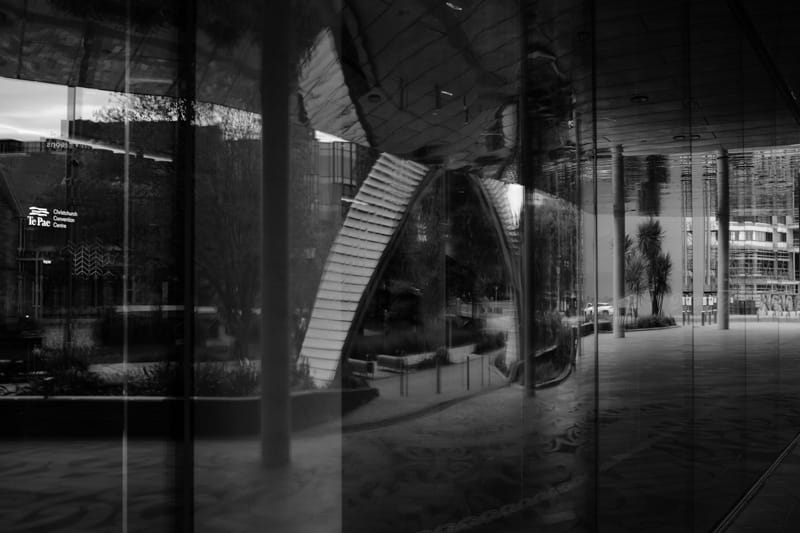
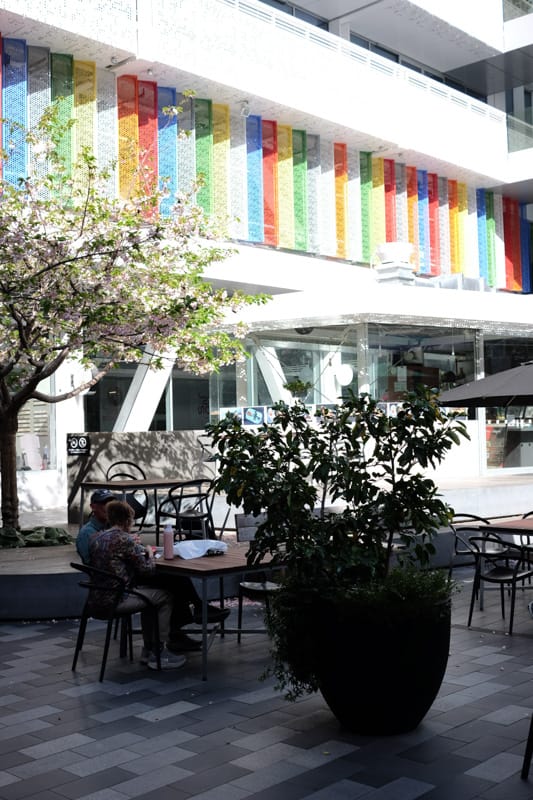
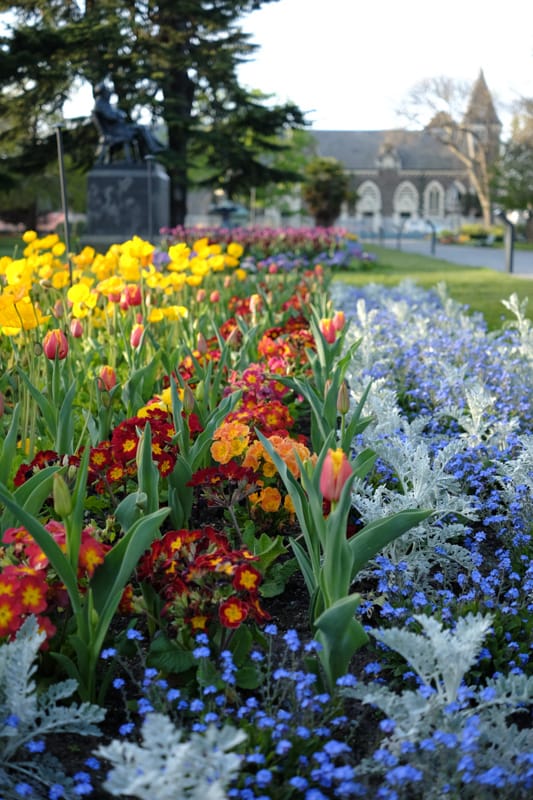
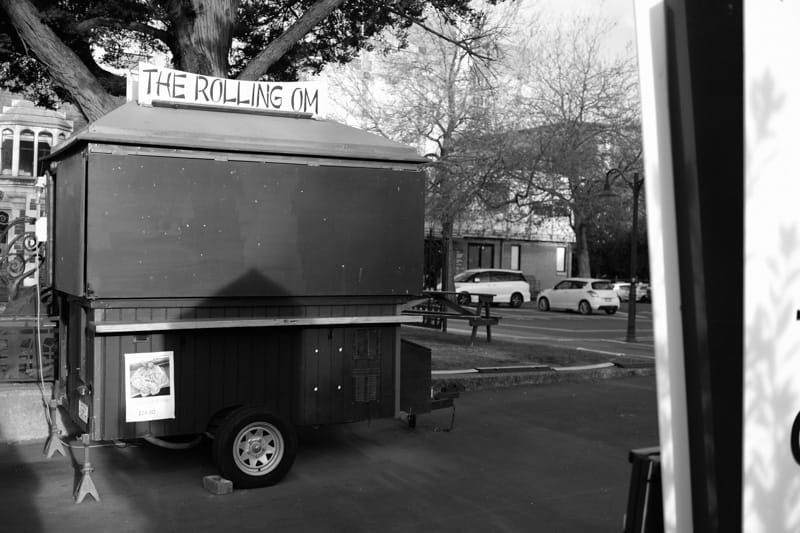
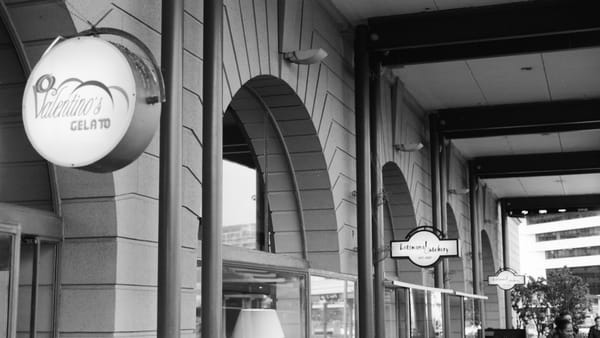
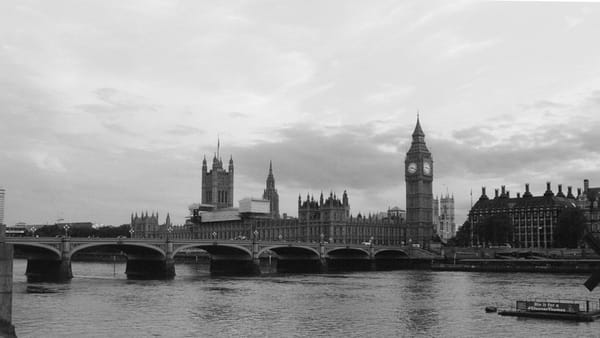
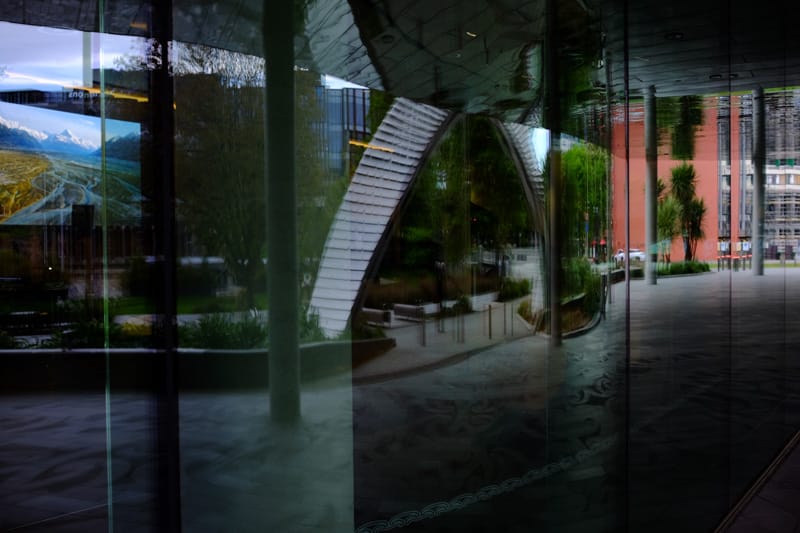
Example images shot on the Fuji 27mm f/2.8 WR lens. Camera used is the Fuji X-T1 with Provia, Neg Pro Hi(flowers), and Monochrome film simulations SOOC.
So who is this lens for? It's for someone that wants a small, lightweight, setup to hang around their neck and walk around a city, maybe a new place when traveling, with a reasonably price lens that takes good pictures. It's lightweight enough to make the XT line a small camera, winter jacket pocketable even. And I say reasonably price because it is less expensive than the 27mm Voigtlander but more expensive than something like the TT artisans, so right in the middle. It currently goes for about $450 USD it seems, that's a little more than I paid 2 years ago. I'm not sure I'd call it amazing value but if a small camera setup is important then there are fairly limited options unless your willing to go smaller than crop sensor. I paid about $400 in USD equivalent. For that I get a lens with the good image qualities I've mentioned above and one that is tiny.