Black and white photography on film
Do you have a favourite black and white film stock? In this post I'll compare some of the black and white films I've used.

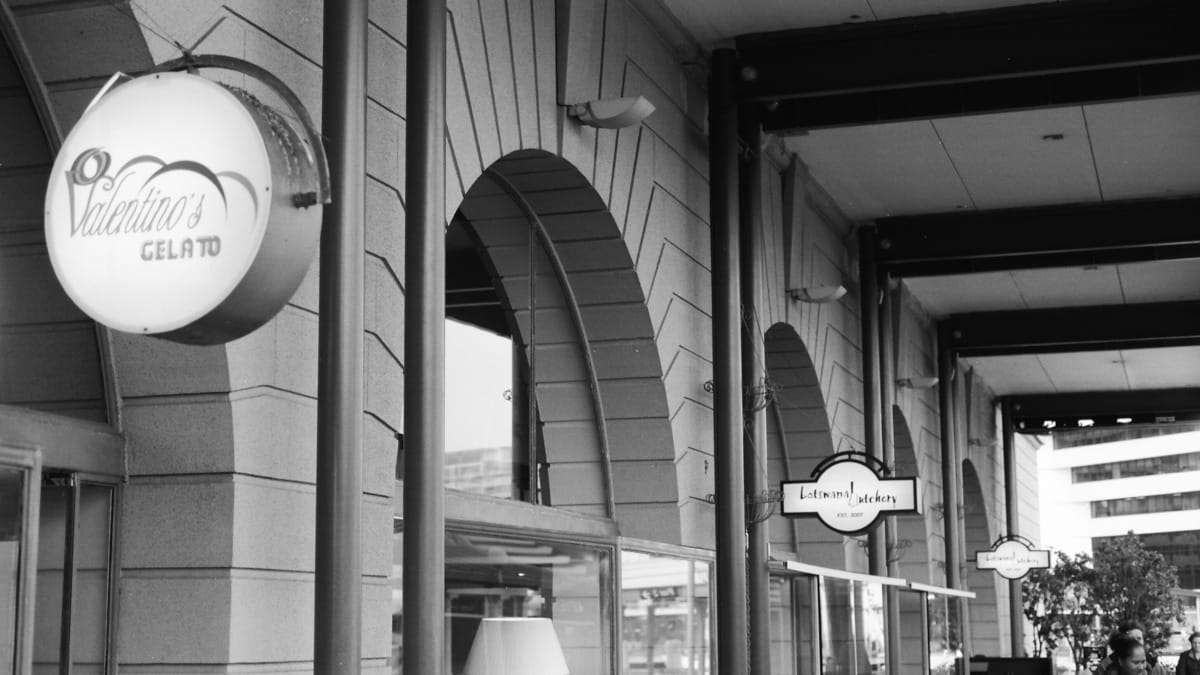
In a previous post on the London photo walk I thought it would be a good idea to do a post comparing black and white film stocks, so here it is and I hope it will be useful if you are starting your journey in analog photography.
The list won't be exhaustive as I haven’t shot with every stock, probably not even close. I’ll only be comparing those stocks that I have used.
List of film stocks covered in this post:
- Kodak Tri-x
- Kodak BW 400CN
- Kodak Tmax 100
- Ilford HP5
- Ilford FP4
- Ilford XP2
- Fuji Acros 100
Kodak Tri-x 400
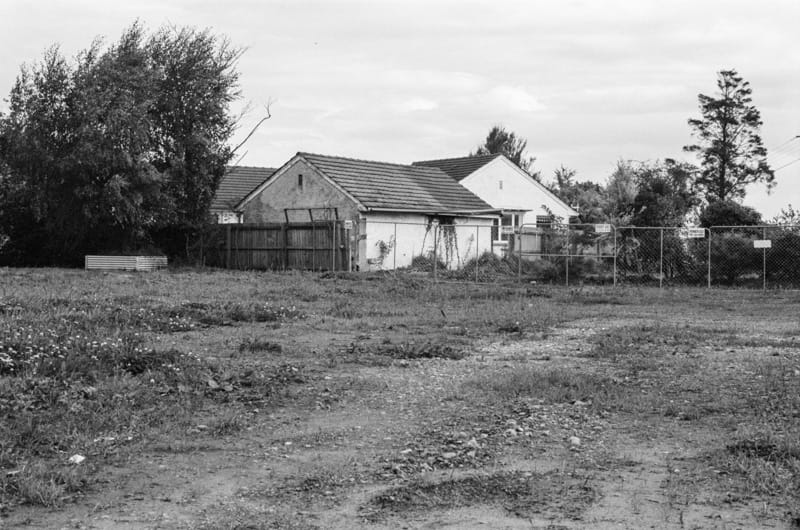
This is a classic film stock and the first real black and white film I used. I was, and am still, a big fan of the Tri-x look. It looks as you would expect a black and white photo to look. I've found it is reasonably forgiving of small exposure mistakes, and overexposure, compared to alternative black and white films. Which makes it even better for beginners. Although I think it performs best when exposed correctly unlike color negative films such as Portra which can have different 'looks' when overexposed.
Look at these red zone ‘documentary’ images I made with Tri-x. For these photos the film was rated at 800 ISO and processed +1 stop in development. I believe the lab I used for this project used Tmax RS developer.
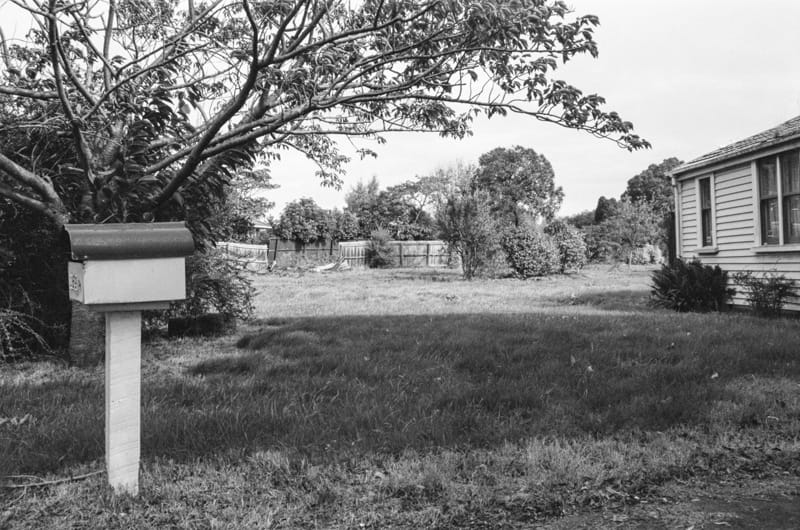
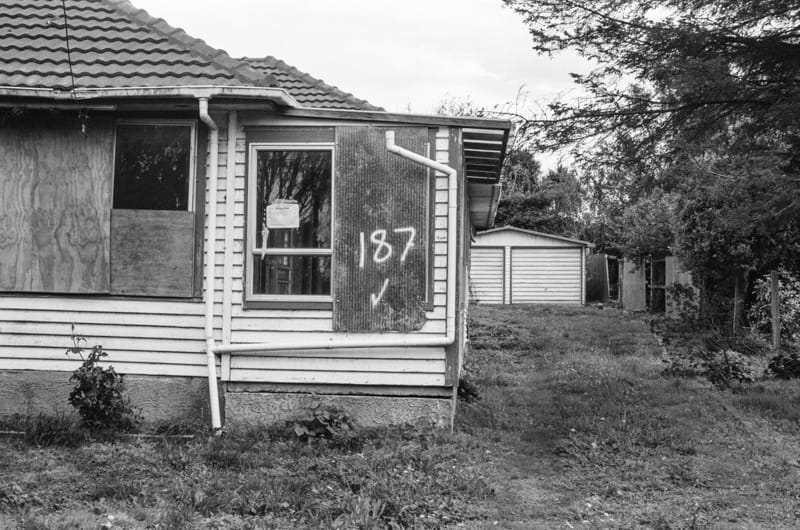
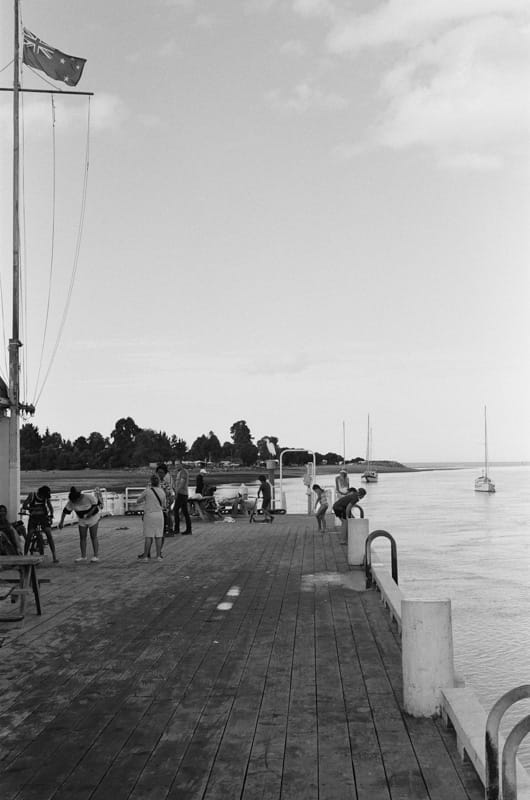
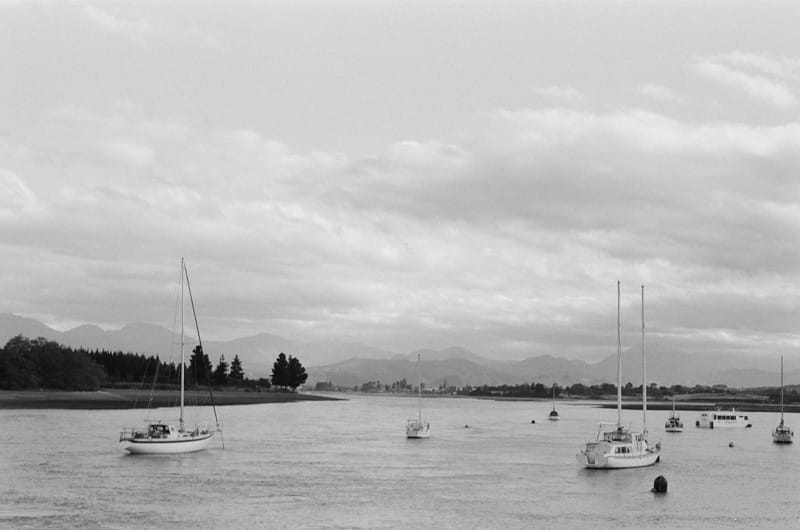
These images of the Mapua seaside are made with Tri-x also, but shot at 800 ISO and pushed once in development. The lab I used for these rolls used Xtol developer. The difference is subtle, but it is there.
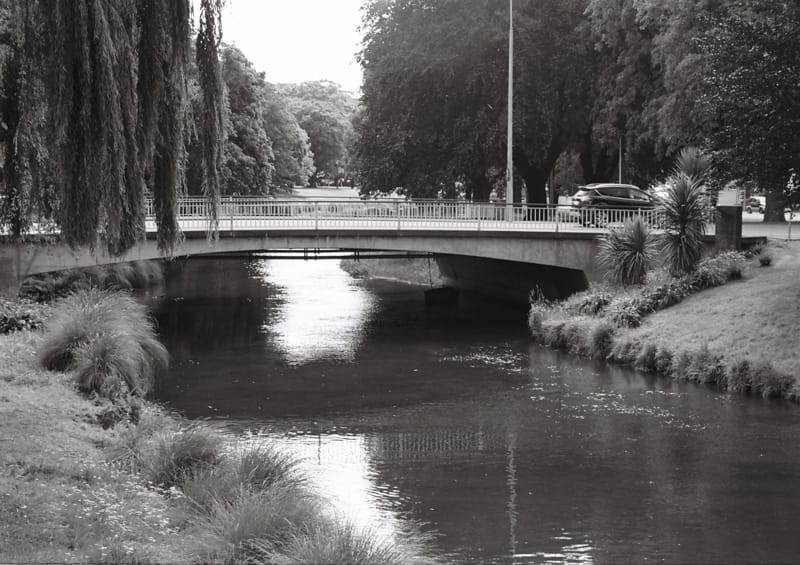
Kodak BNW400CN
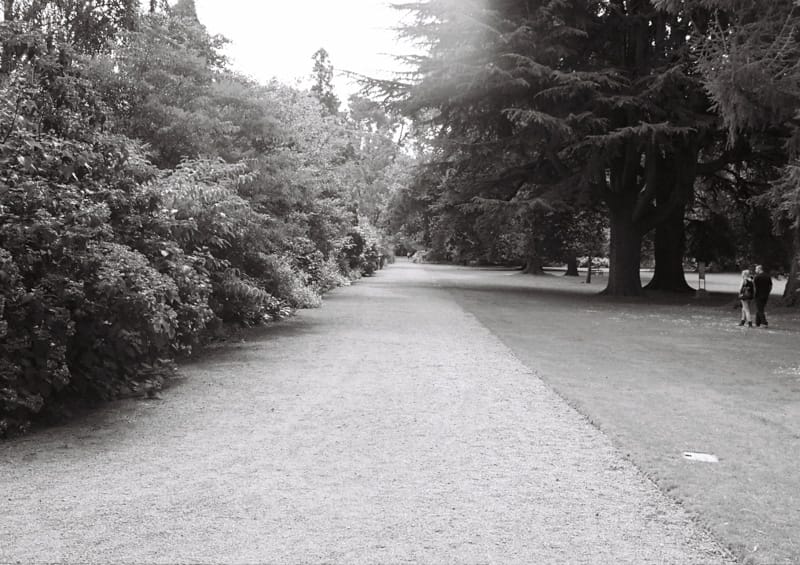
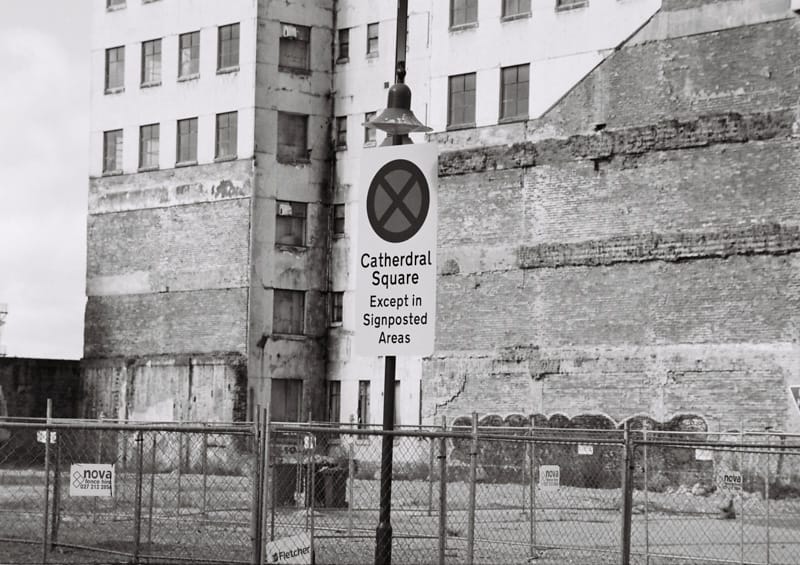
A post of historic note I think. This is a long discontinued film stock but was loved by those who used it. It was Kodak’s version of Ilford xp2, a black and white film you could process in c-41 color chemicals.
I wont say much as I didn’t get to used in much before it was discontinued and anyway, you can buy it anymore. Here are a few examples if anyone is interested.
Kodak Tmax 100
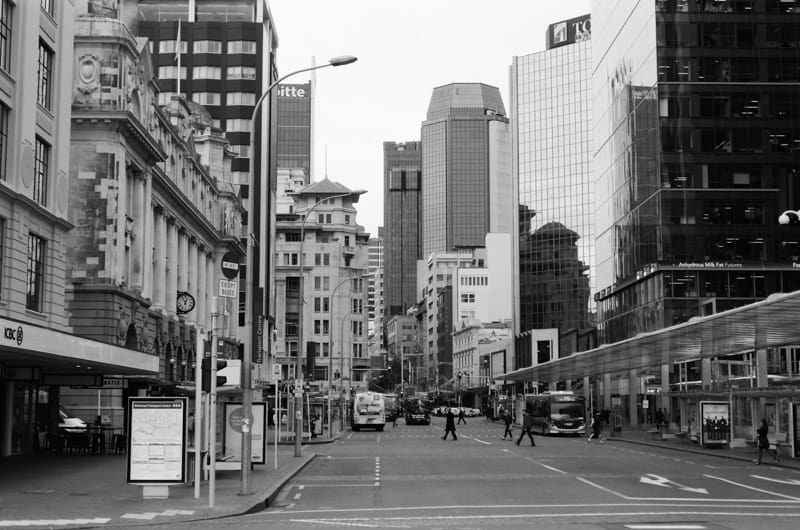
Tmax100 is a film I’ve only used a few times, although I wish I’d had more occasion to use it as it is a gorgeous film for the right subject matter. I used it on a photo walk around Auckland. There are probably better uses of Tmax like still life or portraiture but I really wanted to try Tmax at that time.
Ilford HP5
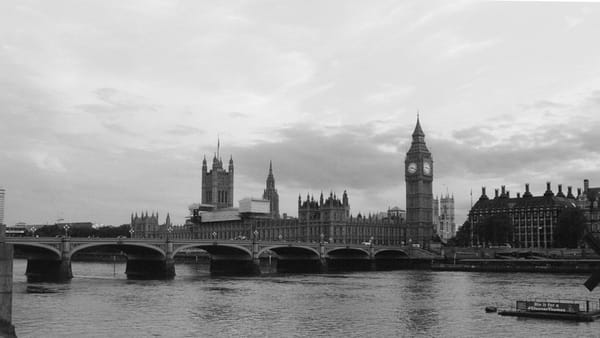
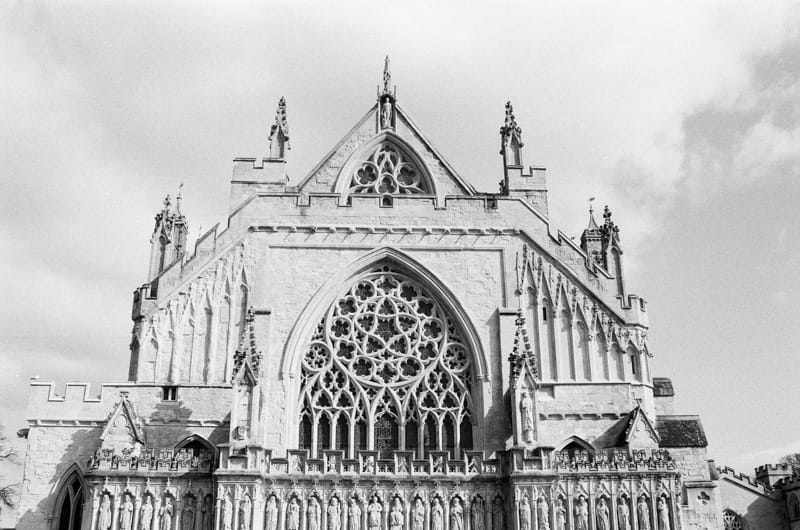
I used Ilford HP5 on my London photo walk which you can read about on the linked post. All photos on that walk were taken on HP5. To my eyes HP5 has a higher contrast than Tri-x, to which it is compared to sometimes as they are both 400 speed films. Personally, I think they are too different to be competing against each other. I could happily used both at different times, for different projects.

Ilford FP4
This is my new go to film stock as where I live in New Zealand Kodak film is either very expensive or just not available at certain places. However, I can still get Ilford film stock at a more realistic price and I love this one. It has less contrast naturally, I think, than HP5. Although, this is controllable through pushing in development. Ilford fp4 has become my default black and white film for the time being.
Ilford XP2
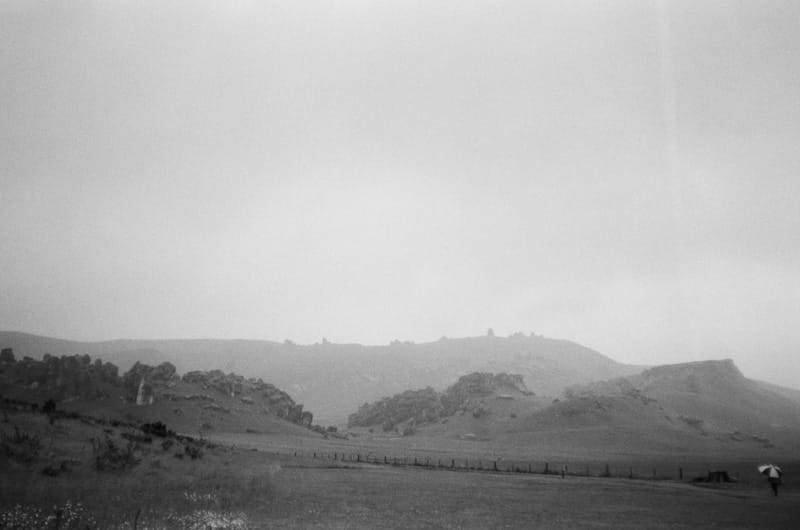
This has also become a film that I have shot more of recently. This is the Ilford equivalent of Kodak’s BNW400cn. A black and white film that is processed in c-41, color chemistry which has the convenience of being able to be processed at any retail photo lab. And that is exactly why I’ve used it at times over the last 6 Months. I’ve only been using film a little bit here and there for test shooting new cameras and with XP2 I can take it to the lab and see the results on my negatives quickly.

Fuji Acros 100
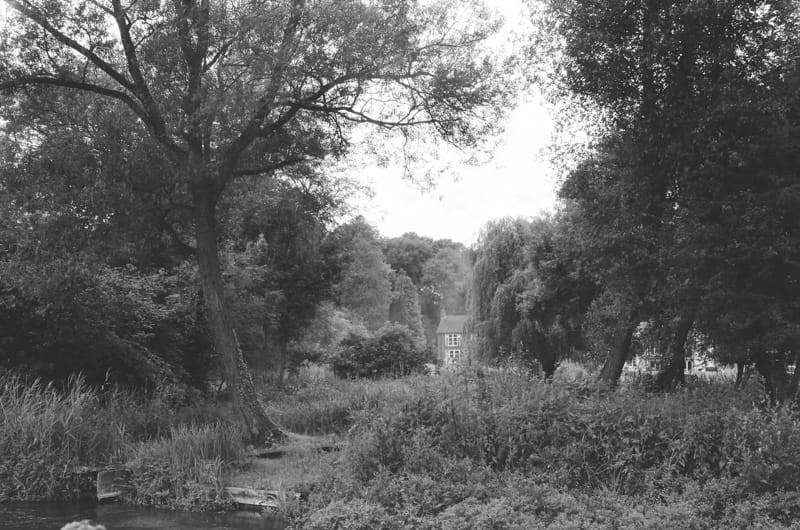
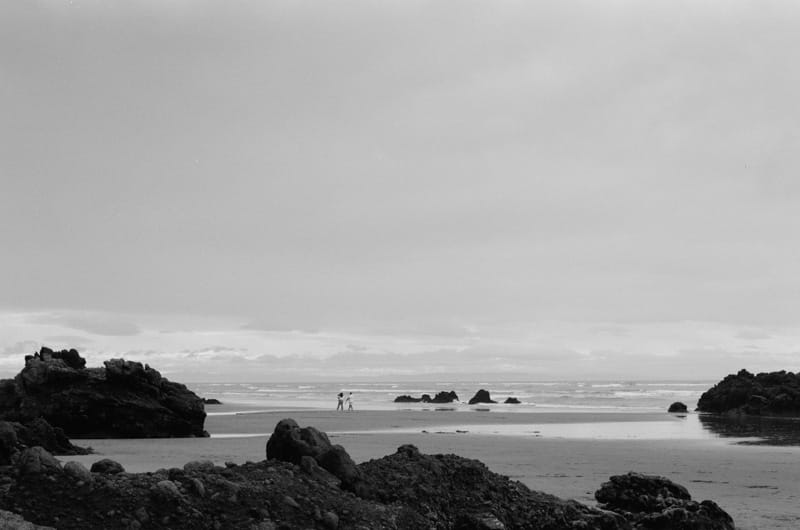
A lot of people love Fuji Acros (original and new version). I can definitely see the appeal, it’s a beautiful film. I’ve shot a little bit with it and below you can see some examples.
Conclusion
If you’re getting into analog photography and are researching black and white film stock then I hope this post was useful. It can be great fun looking at all your different options in this hobby. My advice would be pick one film you like then stick with it for a while at least. As tempting as it might be to try every one that you can it is better to get used to how one film performs under different lighting and subject matter first in my opinion. Have fun with film photography.