Using a Kodak Brownie six-20 camera
Notes on taking pictures, with old & modern film stocks, on a Kodak Brownie camera and how I re-rolled 120 film onto 620 spools.

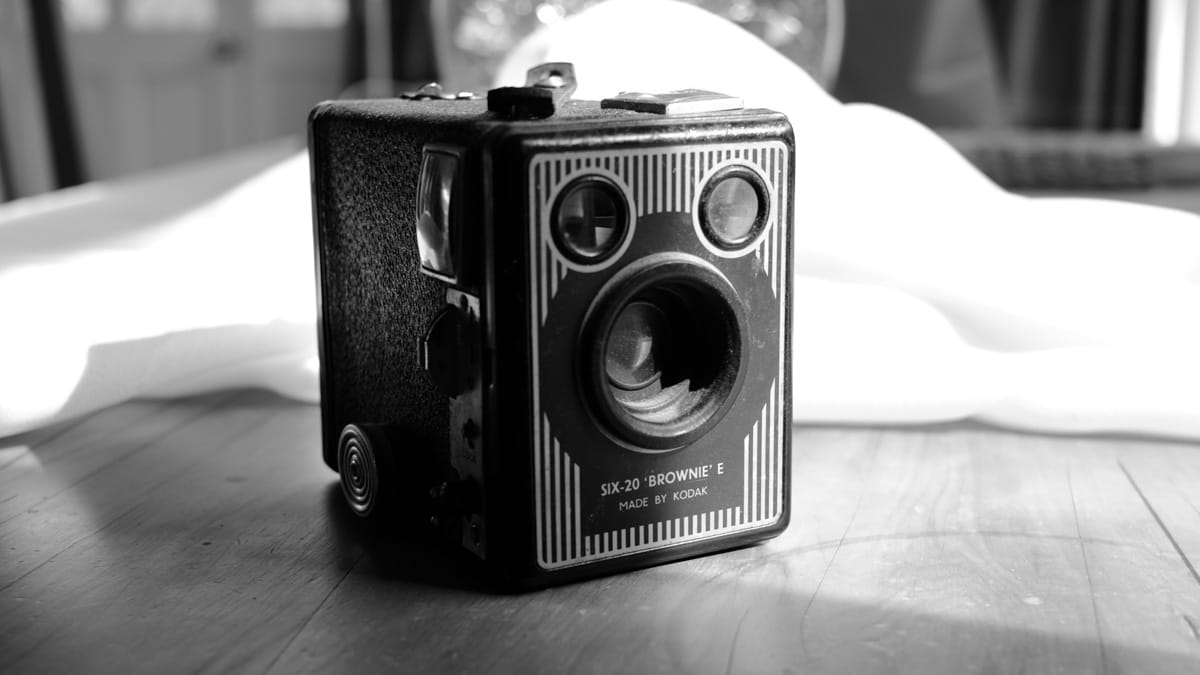
With all the tools available in this day & age why would you want to make photographs with a Kodak Brownie camera from the 1950s. Well, if you don’t already have one you probably shouldn’t, on the other hand if you have inherited a Brownie, or one has been in the family for a few generations and is just sitting on your shelf then you might be curious about its photographic abilities. I happened to have one sitting on my shelf and was thinking this exact thought.
The Brownie was the camera that first put photography into the hands of enthusiasts in the early 1900s. The Kodak Brownie it has a certain history to it. My curiosity got the better of me and I decided to order a few rolls of 120 film for it.
The camera I have is the Kodak Brownie six-20 model E which was made from 1947-1957, has a f/11 aperture, a 100mm lens, and a 1/60 shutter speed. It also features a sliding close up filter for portraits and a yellow filter for contrast with black and white film.
The first roadblock when using this camera is that it takes 620 film instead of 120. The good news is that 620 film is exactly the same as 120 film it is just on a different size spool. The bad news is that film on a 120 spool wont fit in this camera. There are some 620 brownie cameras that you can force the use of 120 spools unfortunately the model E that I have isn't one of them. Somewhat good news is that re-rolling medium format film from the 120 spool to the 620 spool isn't that hard to do but it is quite tedious. I’ll put it this way, if I want to make photos that look like they have been taken on a Kodak brownie in the future I’ll just buy a Holga, or something similar.
At the time I was too cheap to buy a Holga... I mean I was genuinely interested in seeing what this most basic type of camera could do. After all, it is just a box and a plastic lens, I think most photographers are curious people that like trying out new gear. GAS isn't just for the latest and greatest digital stuff is it?
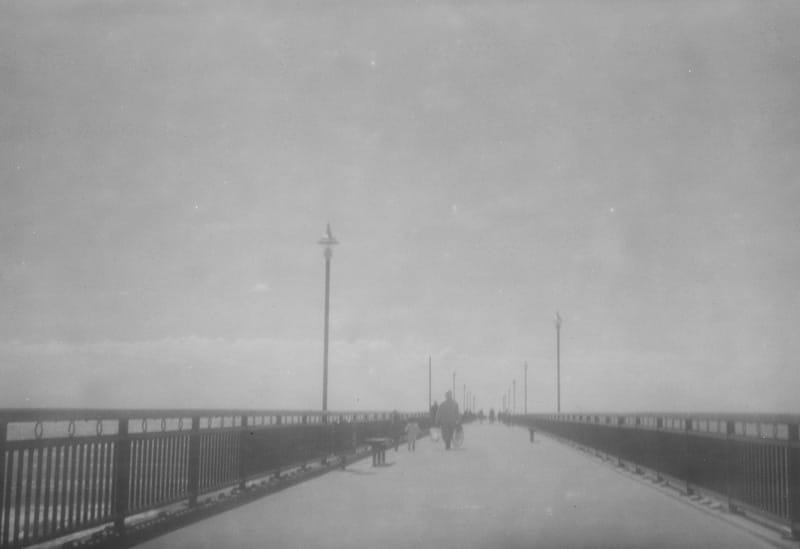
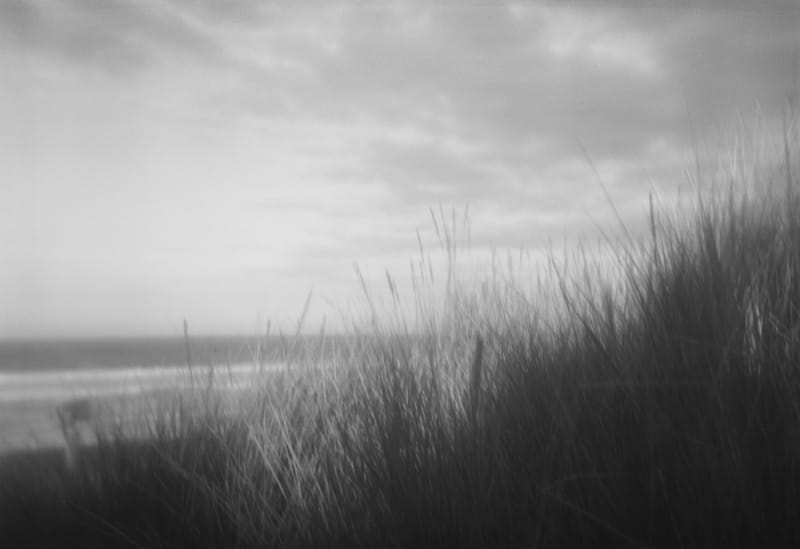
If you, like me, have one of these cameras and would like to use it then I'd recommend a low speed film stock. The 1/60 approximate shutter speed will be too limiting in midday sun. And on the other side of daylight it’s doubtful the meniscus lens can perform in low light with a high speed film, but feel free to try with a 3200 stock and prove me wrong. Oh, you’ll also need a separate light meter as the camera doesn't have one. I shot rolls of Kodak Portra 160, Ilford FP4, XP2, and an ancient roll of expired Verichrome that I found in a draw with the camera.
The Verichrome was my first use of this camera as I wanted the 620 spool it came on. It had pretty average results. It’s most likely a nice, and these days unique, black and white film stock when it is in good condition. Alas, the roll I acquired had deteriorated considerably with age.
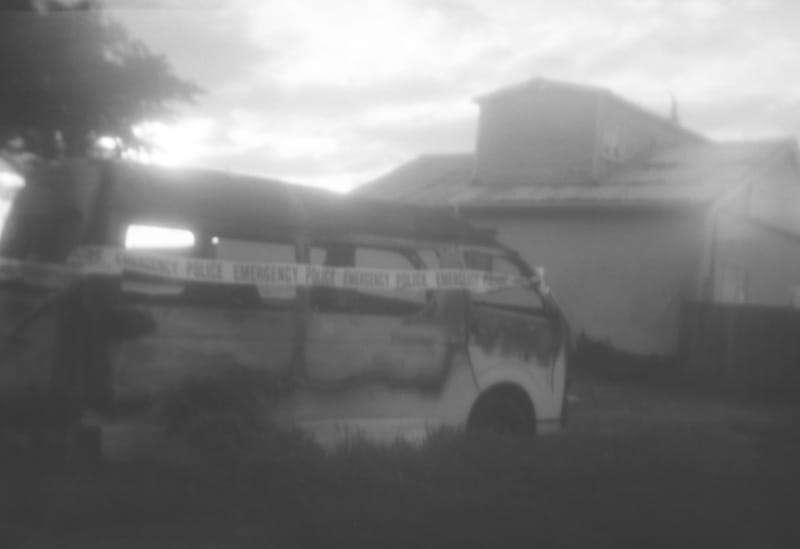
After I had acquired a few excess 620 spools I could re-roll the more modern films to load in this camera. This is quite a process that involves rolling the film from the 120 spool it comes on to a 620 spool, then rolling back onto a second 620 so the emulsion side is the correct way up. The reason you roll onto the first 620 spool is to created the correct tension on the film which makes it easier as you are rolling inside a film changing bag, by feel only. There is one pitfall in ‘catching’ the film when rolling onto the second 620 spool. As you are re-rolling back to the head you have to ‘feel’ for where the film starts as it is not taped down.
The key issues to watch out for are:
- Catch by ‘feel’ where the film starts when re-rolling onto the 2nd(and final) 620 spool.
- That there are no major bulges at the tape when coming to the end.
As I was rolling I watched this tutorial on YouTube from the Film Photography Project channel. There may be others but this is the best tutorial I found on re-rolling medium format film to 620 spools. I'd recommend checking it out if you are considering using a Brownie or another camera that uses this film format.
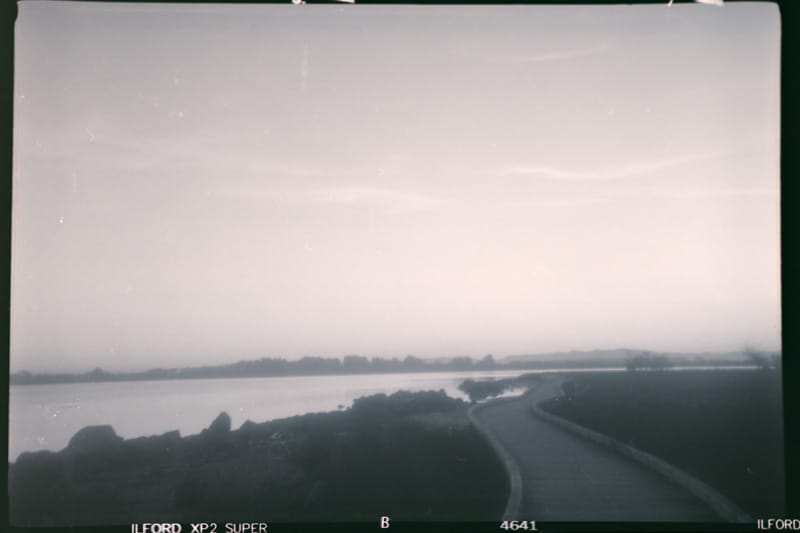
The first 'modern' films I used was XP2 and a roll of Portra 160. I shot the XP2 in the evening as 400 ISO would be too high, in bright light, with only one shutter speed of 1/60 available. I used the Portra for some test pictures as I was unsure how color film would come out of a camera as old as this one with a plastic lens. It turned out quite decent in this instance. I used XP2 and Portra first as I could go to a local c-41 lab and check that my negatives were correctly exposed, and the camera was functioning correctly, before I spent more money on black and white film & processing.
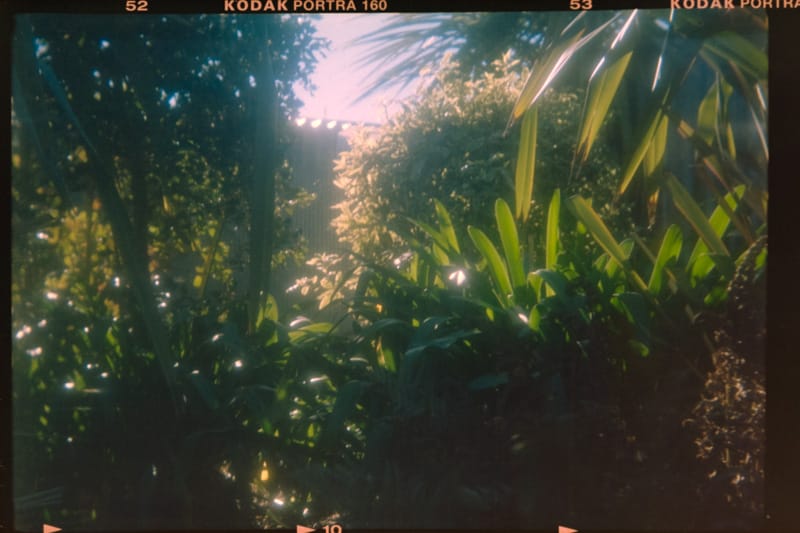
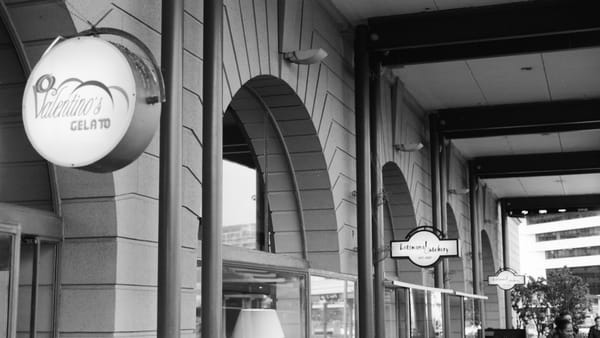
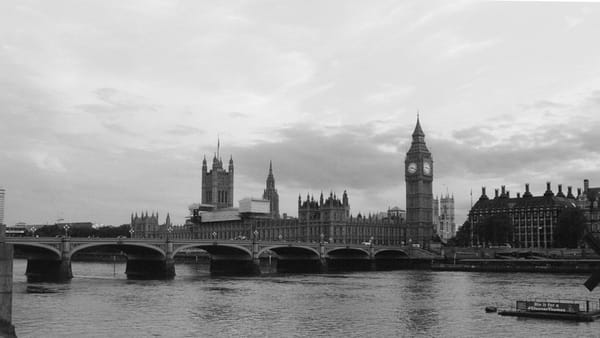
When I decided to take some photos around the neighborhood I chose Ilford FP4. This had become my go to black and white film anyway and at 125 speed I considered it a good choice for the limited shutter speed of the Brownie camera. The results I got with it show if you have an external light meter you can get nice, accurate, exposures on the Brownie.
The huge 6x9 negatives and the plastic lens counteract each other a bit, you get the Holga vibes out of the images but with a bit more scale due to the larger negatives. If you want to put yourself through the process of rolling your own film for some extra hipster street cred then maybe photography with a Kodak Brownie is for you.
There are also brownie models that can take 120 film so if you don’t have one yet, and really want one, then look out for those models. It would make using a one of these cameras so much easier. That's if you really want to put yourself through this experience. For me this was just an interesting experiment with a camera that was already sitting on my shelf. But if you have a particular use case for creating these lo-fi images then these cameras might be a real option to consider.